

97705 Dual Heat Monster-Ram Intake System w/fuel line 2007.5-12 Dodge/RAM 6.7L
INSTALL INSTRUCTIONS
Part #s
42797, 42797-PC, 42797-B
Monster-Ram® Air Intake 2007.5-2012 Dodge/RAM 2500/3500 6.7L Cummins
Please read through the following instructions thoroughly before starting your installation. If you have any questions please visit our Support Page.


Dual Heat Capable Monster-Ram w/Intake Plate Install Video

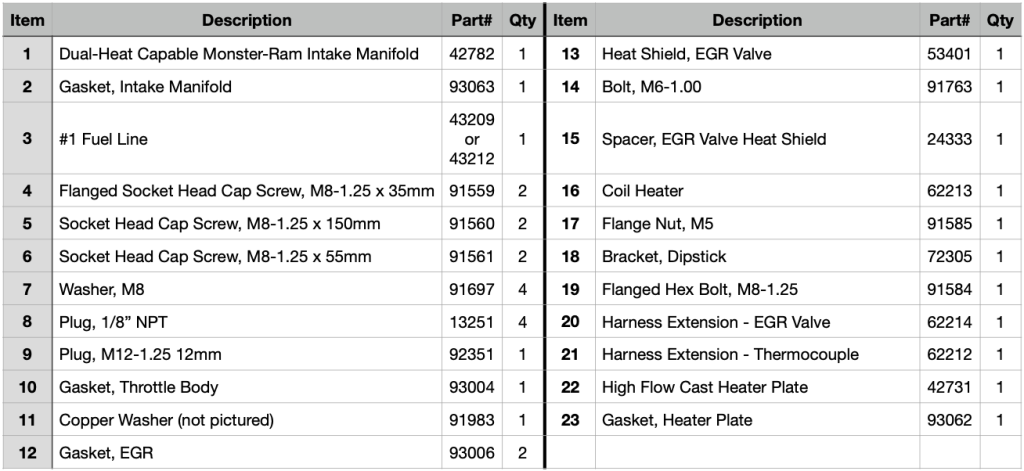
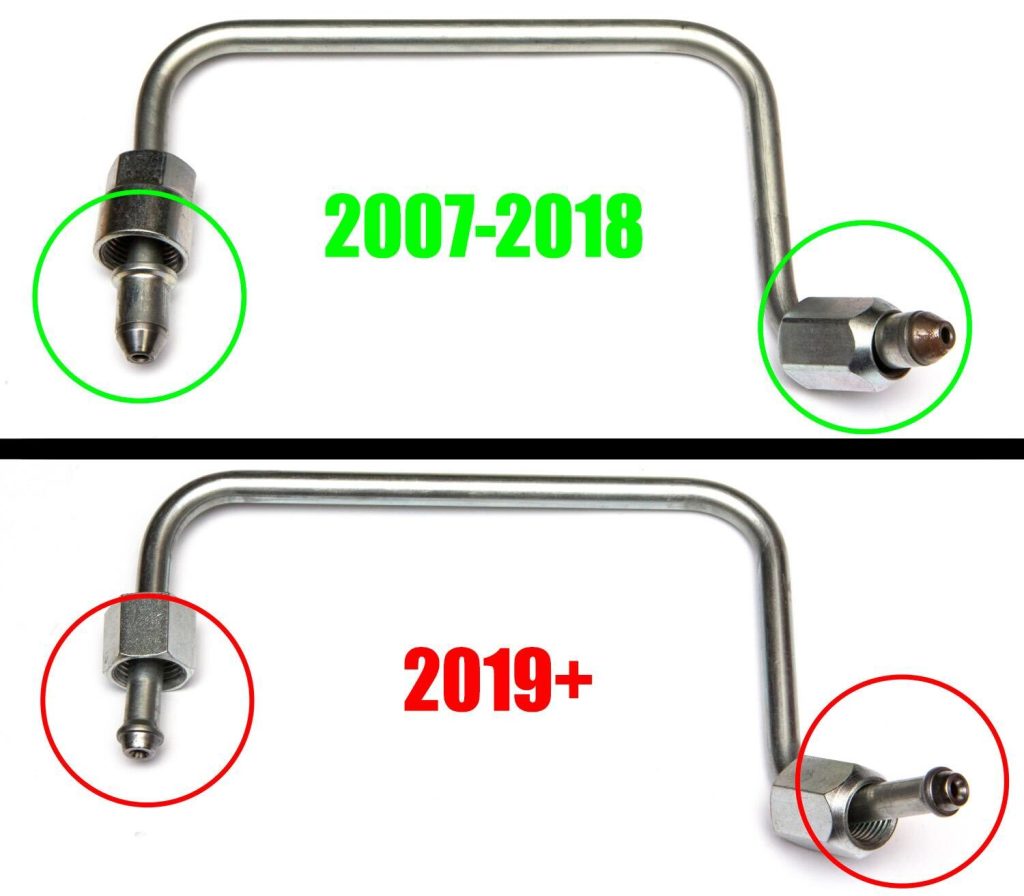
In effort to make sure you have the right kit for your model year. Visually check which fuel line is included in your kit before starting installation.
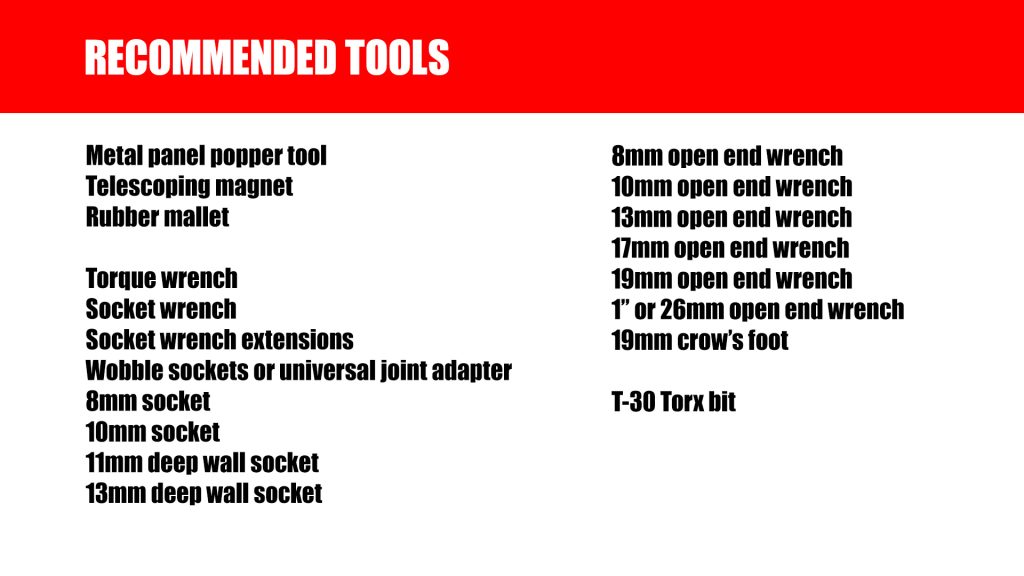
Important Notes:
IMPORTANT!
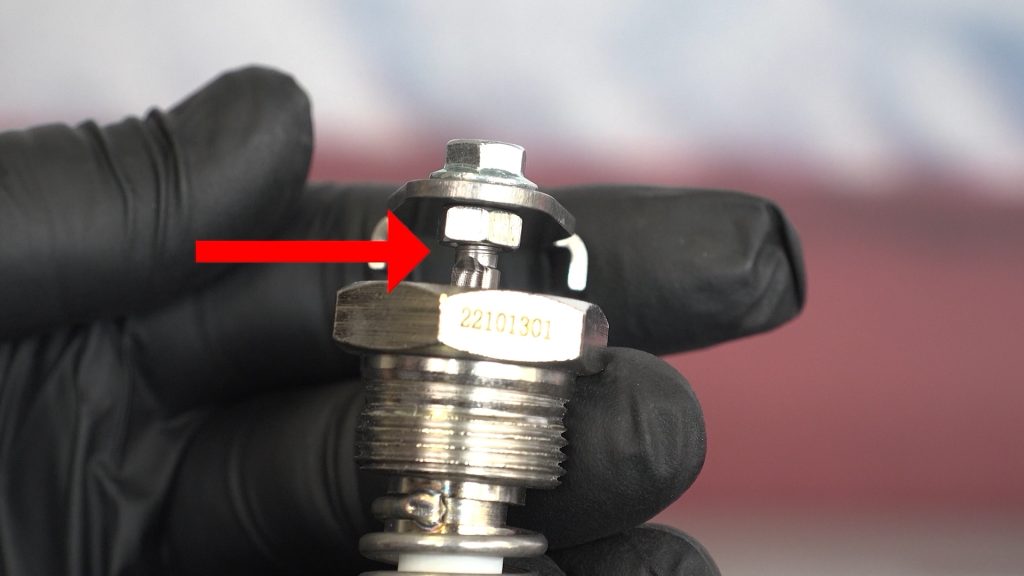
Coil heater preparation: The lower nut must remain 1/8″ above the coil heater body (about 2 threads visible).
Take care when installing OEM heater wire ring terminal, it must be sandwiched between the upper and lower nut. If the lower nut is too low, the ring terminal could contact the body of the coil and will short out.
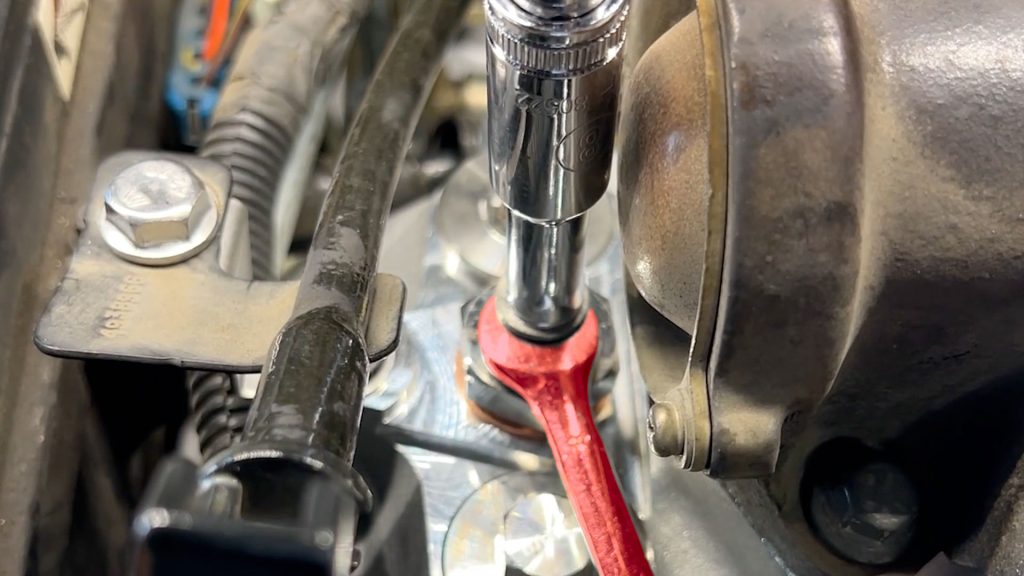
When tightening the nut, it is very important to use a 10mm wrench or socket on the top nut and an 8mm open-end wrench on the bottom nut to prevent the threaded post from rotating. If the threaded post rotates, it can break the ceramic insulation it’s surrounded by.
If the OEM heater wire touches other metal components, an open short will occur.
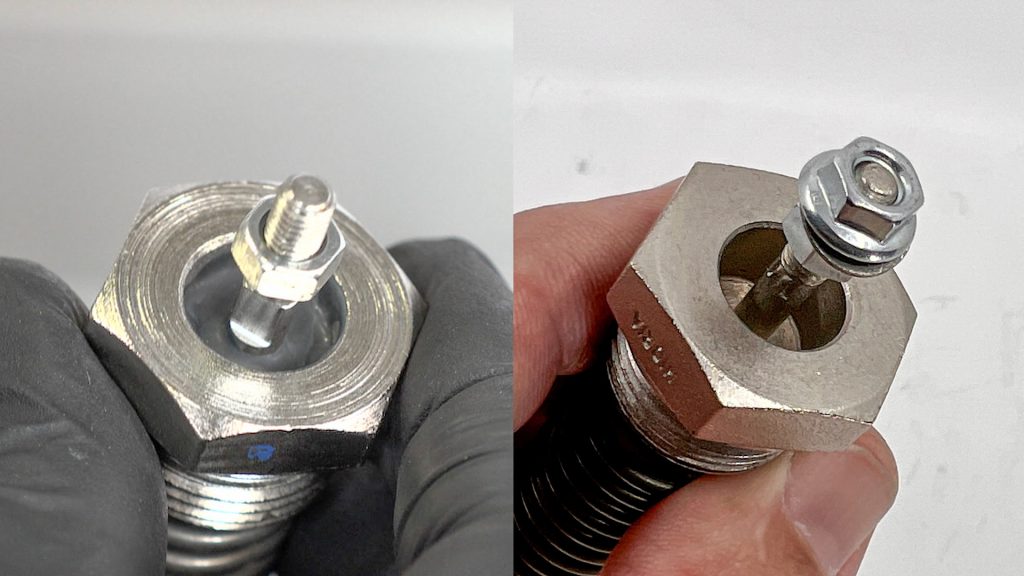
Coil-Heater Variants
Your kit may include one of two different style heater coils. One with a visible ceramic insulator, or one that isn’t visible. Both offer the same level of heating performance.
Copper washer: All kits now ship with a copper crush washer. Place this washer between the coil heater before screwing it into the Monster-Ram.
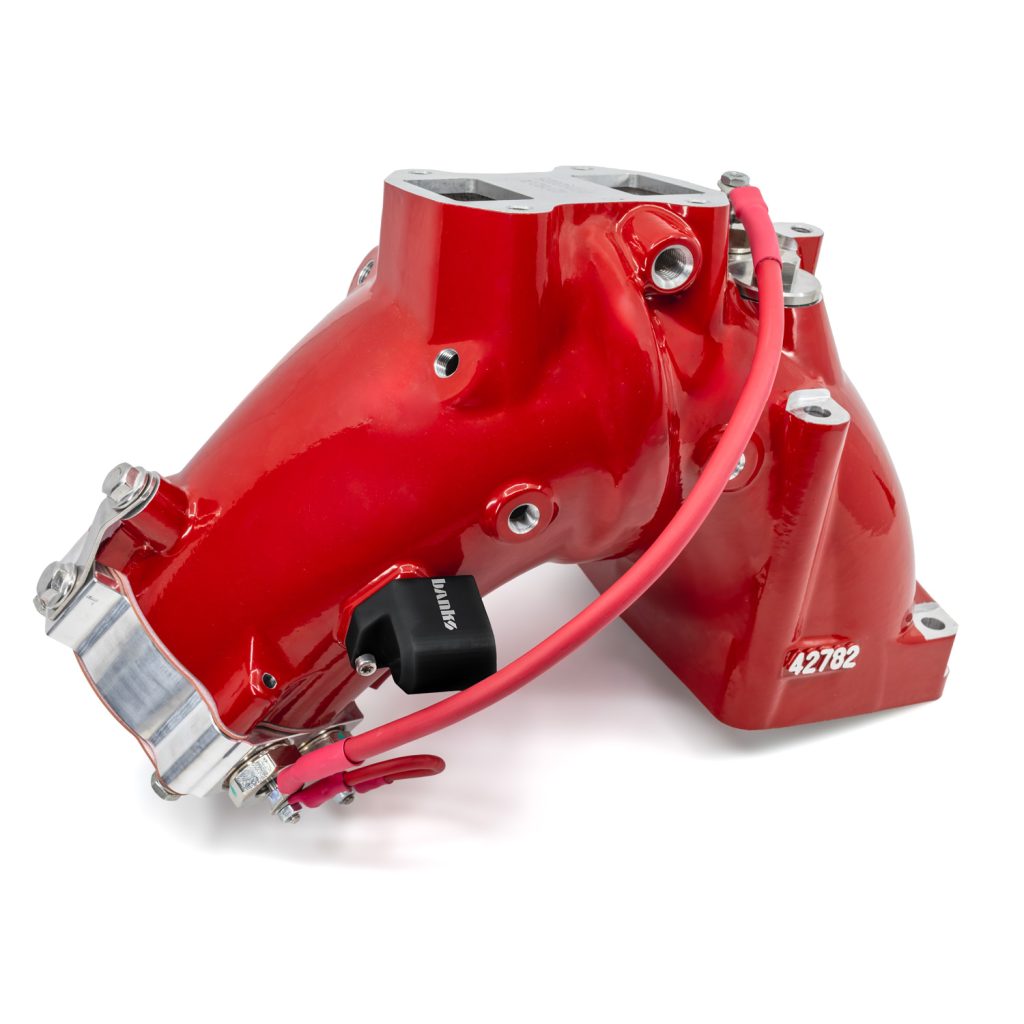
Installing a Dual Heater Upgrade?
See our Dual Heater and Billet Heater Upgrade supplement for important wiring information and diagrams.

1. Disconnect Batteries
1. Use a 10mm socket to loosen the nut. Place a rag around each of the negative battery cable ends; this will prevent them from touching the battery again and arcing during the install as you work.

2. There is one on each side of the engine bay.
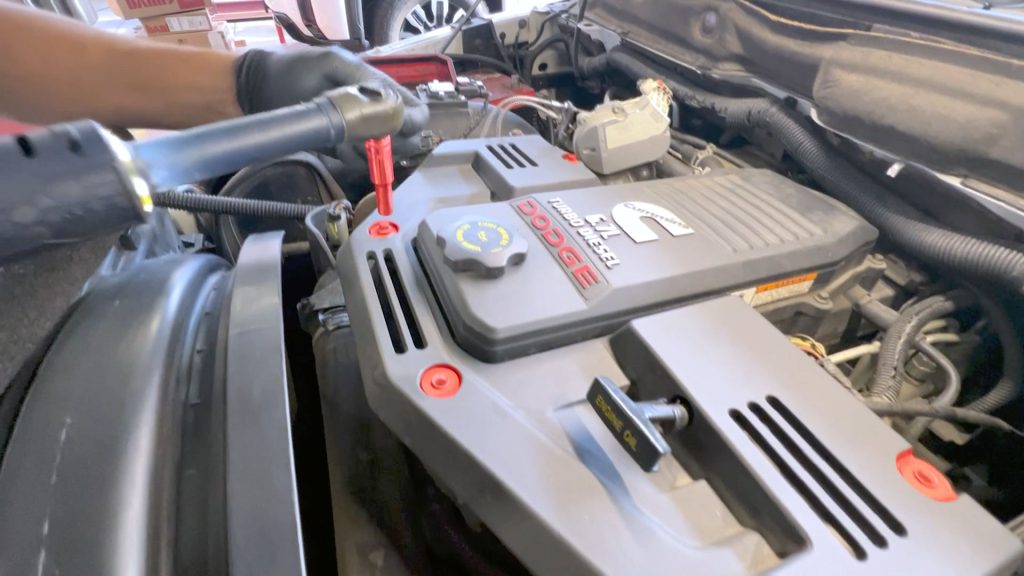
2. Remove Engine Cover
1. Use an 8mm deep socket to remove the four bolts holding the cover down.

2. The dipstick needs to be removed for the cover to come off.

3. Don’t forget to replace it after the removal of the engine cover.

3. Valve Cover And Engine Harness
1. With an 8mm socket, remove the 8 bolts that secure the valve cover to the cylinder head. There are 4 bolts on each side.

2. With a flat blade screwdriver, free the engine harness that is at the rear of the valve cover.

3. Remove the oil cap.

4. With an 8mm socket, remove the two bolts that hold down the support bracket for the engine cover.
This bracket will not be reused.
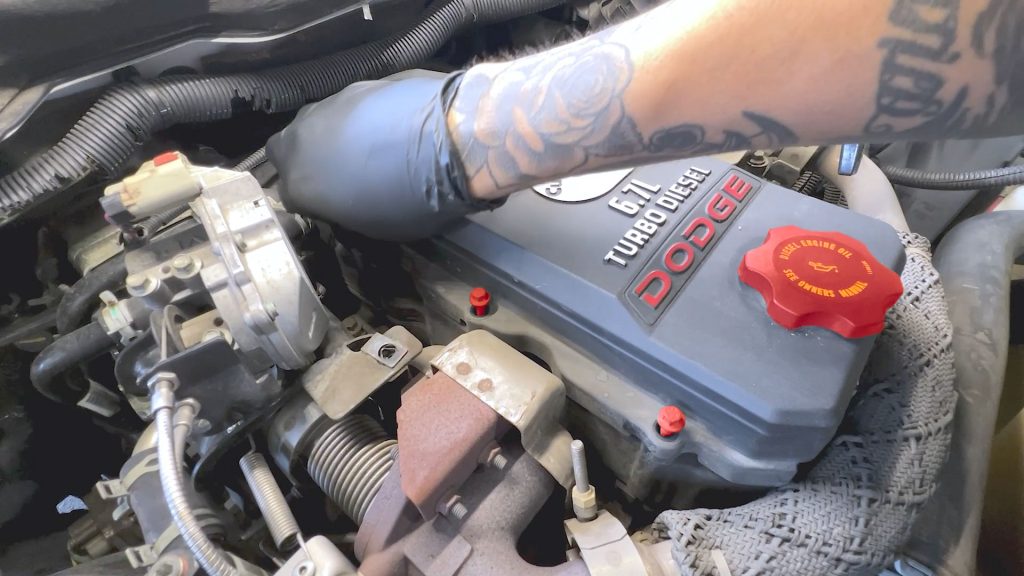
5. Reinstall the 8 bolts and oil cap into the valve cover.

Snug them all down hand tight.

4. EGR Crossover Tube Removal
1. With an 8mm socket, press down on the coolant tube and remove the bolt under the EGR crossover tube.

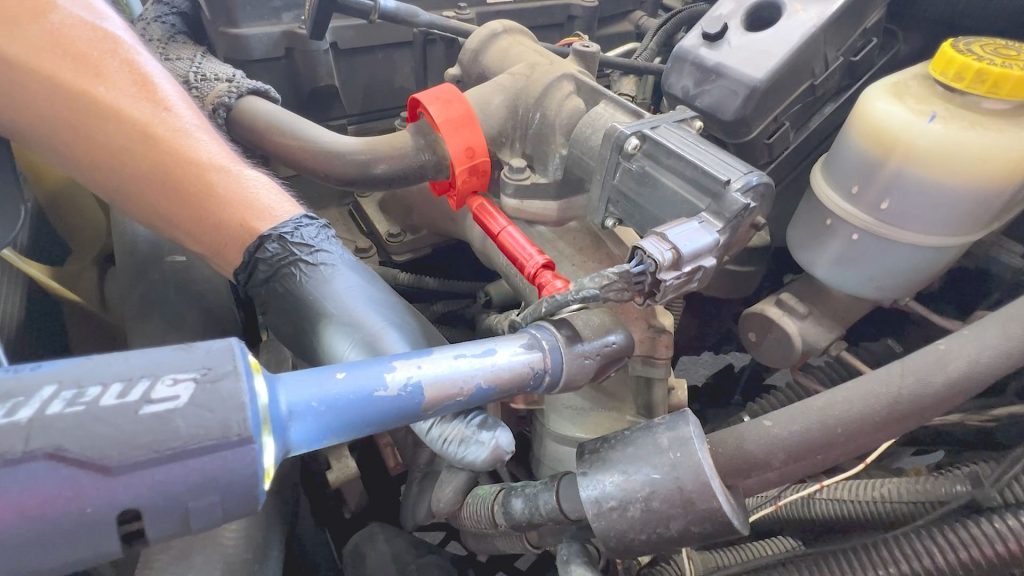
2. With an 11mm socket, loosen the v-band clamp connected to the EGR valve. Get it loose enough to slide onto the EGR tube, but keep it over the union for now so it holds the tube in place.
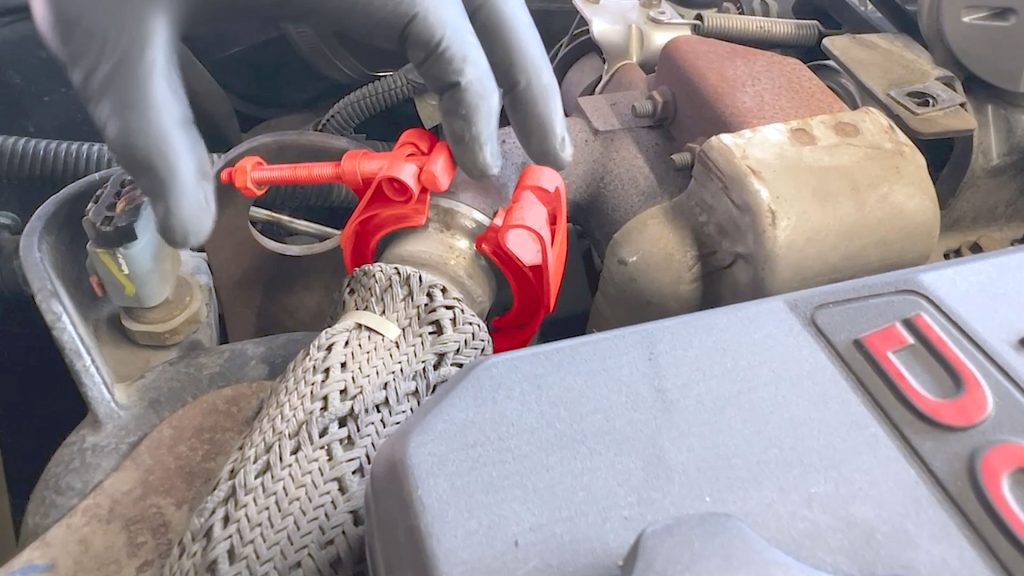
3. With an 11mm socket, loosen the v-band clamp connected to the EGR cooler.
Slide this one over the union onto the EGR outlet.

4. With your hands under each end to catch the gaskets if they fall, slide the driver side v-band clamp onto the EGR tube and carefully pull it off the engine.
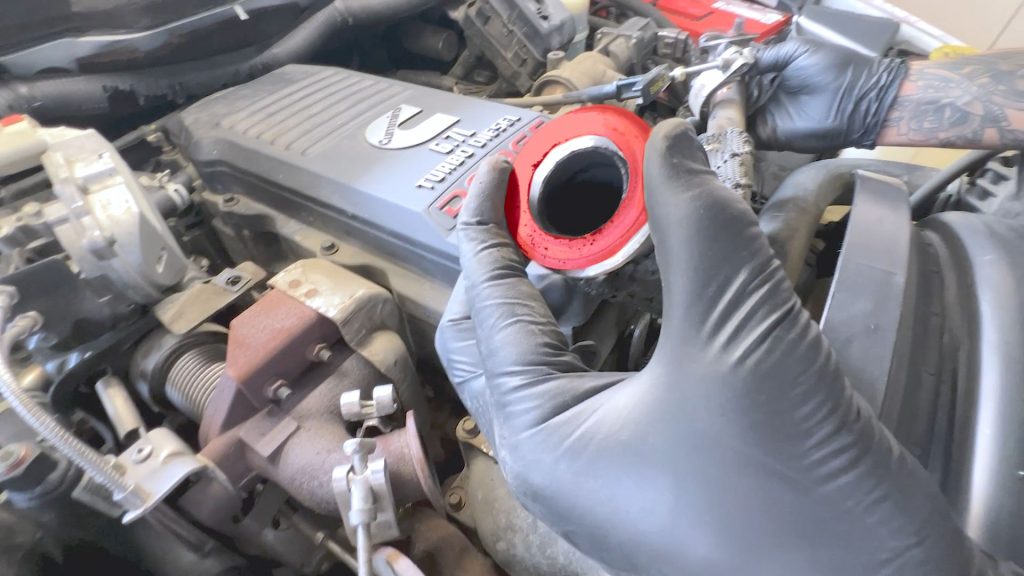
5. The passenger side gasket is flat.

6. The driver side gasket is conical.
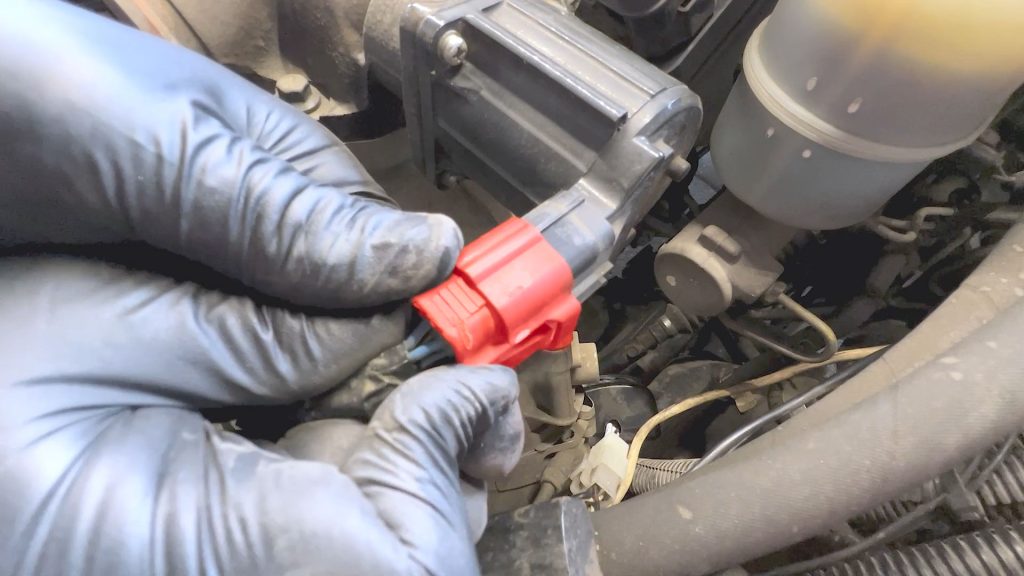
7. Unplug the EGR valve.

5. Engine Harness.
1. With a flat-blade screwdriver, free the wire harness from the front of the intake horn.

2. With a 10mm socket, unbolt the wire harness connected to the back side of the intake horn.

3. With a 10mm socket, remove the bolt that holds the dipstick tube to its support bracket

4. Gently bend the dipstick up a few inches to give it clearance for the Monster-Ram

5. With a 12mm socket, remove the bolt to free the wire harness from the intake manifold.
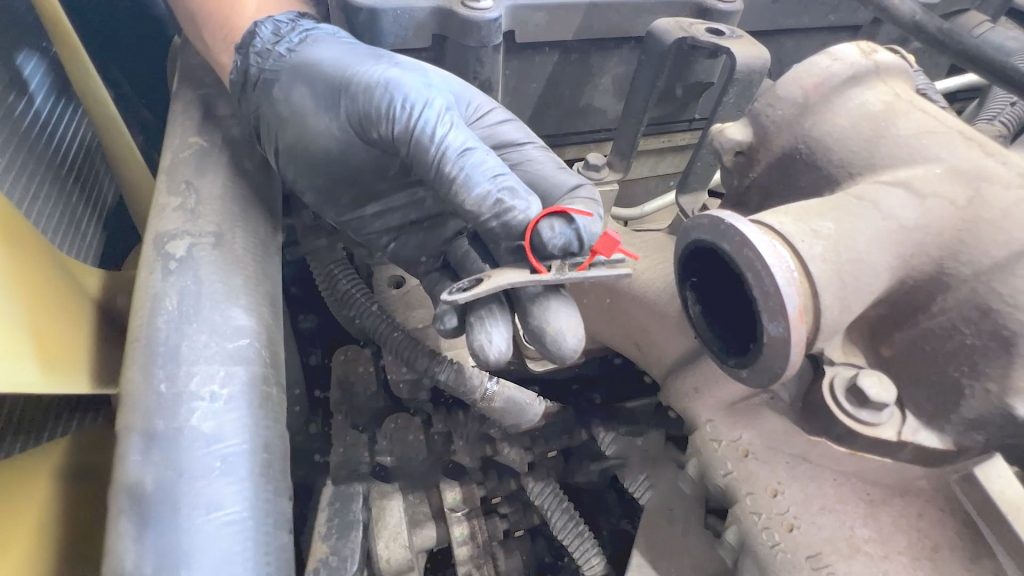
6. Remove the bracket from the wire harness by snipping its cable tie.
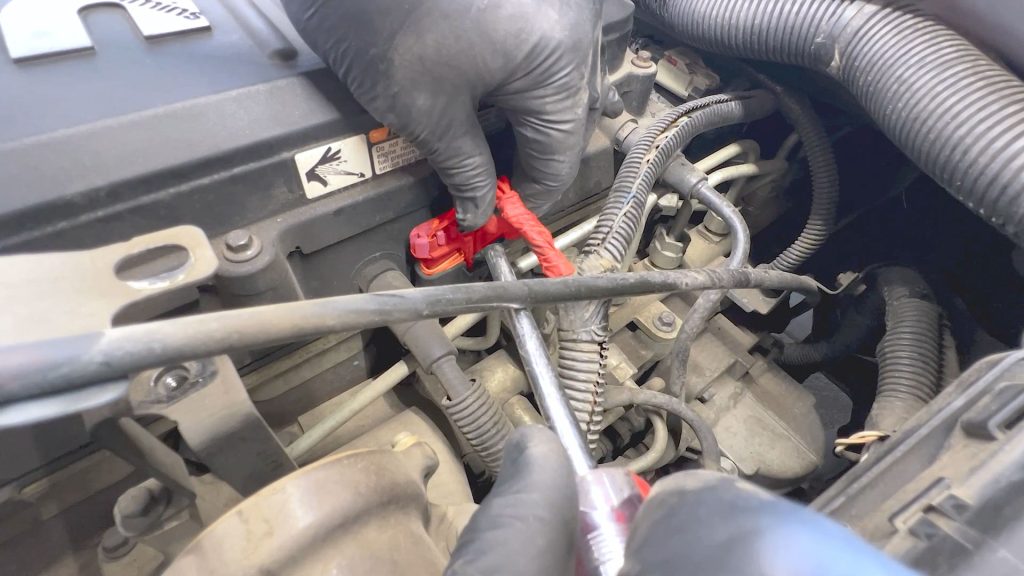
7. Unplug the front blue/green injector plug from the cylinder head.

8. With a 10mm socket and extension, unbolt the 12V power lead from the grid heater post.

9. Coil the cable up and out of the way for now.

10. With a 10mm socket, remove the bolt that holds the large data cable together and unplug it.

11. Depress the two plastic tabs from top and bottom to free the lower half of the large data cable from its bracket and set it aside.
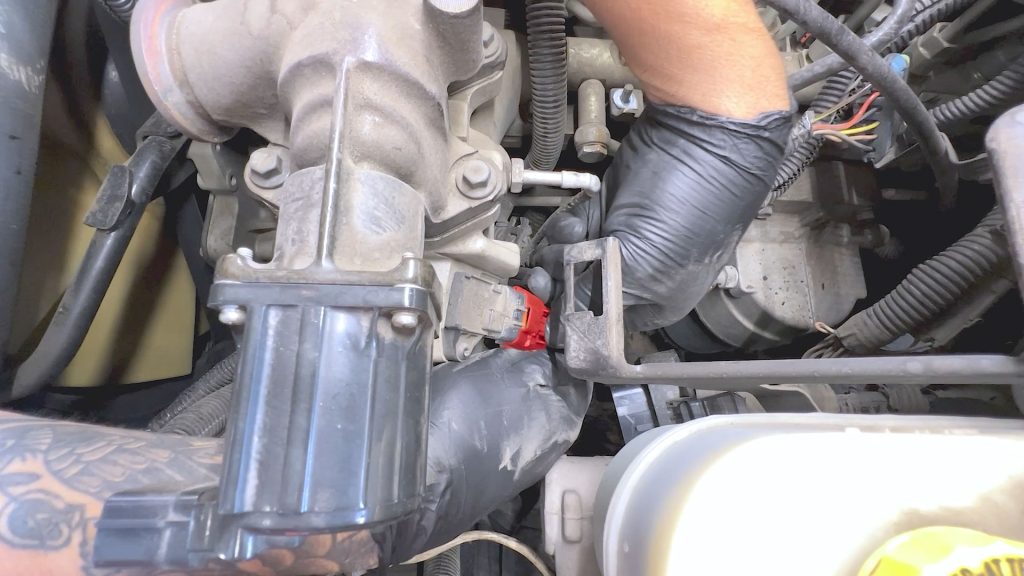
12. Unplug the MAP sensor.

13. Unplug the EGR temperature sensor. Its harness runs around the back and then under the intake horn.
Slide its red locking tab over first, then unplug the sensor from the engine harness.

14. With a flat-blade screwdriver, sli de the front PCV hose off its barb.

15. With a 19mm wrench, remove the front PCV barb.
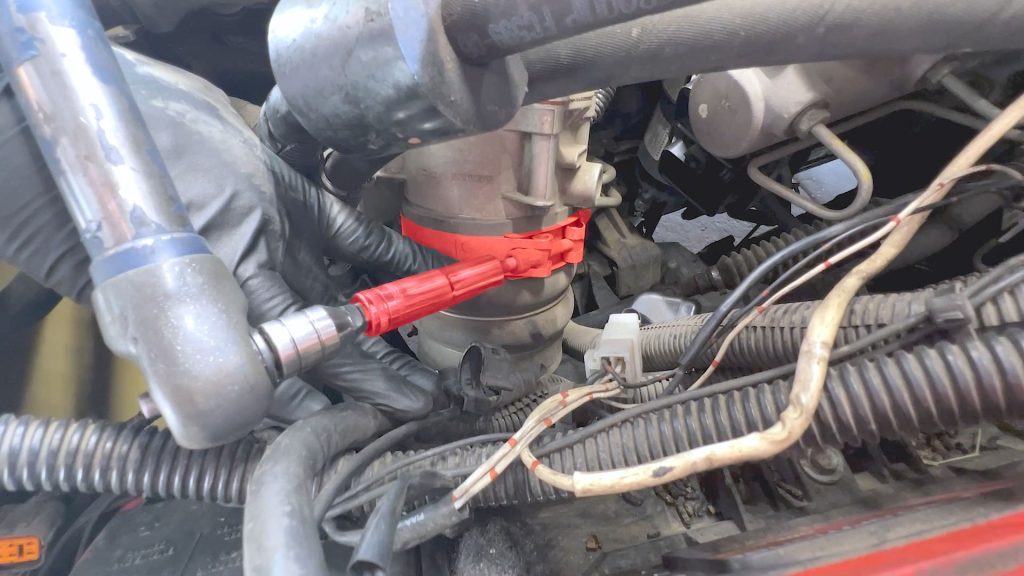
6. Intake Elbow Removal
1. With an 11mm socket, loosen the clamp that holds the boost tube to the throttle.

2. With a flat-blade screwdriver, break the boost tube’s grip from the throttle body. This will help in the removal of the intake elbow later.

3. With a 10mm deep socket and extension, remove the 6 bolt that holds the intake elbow.
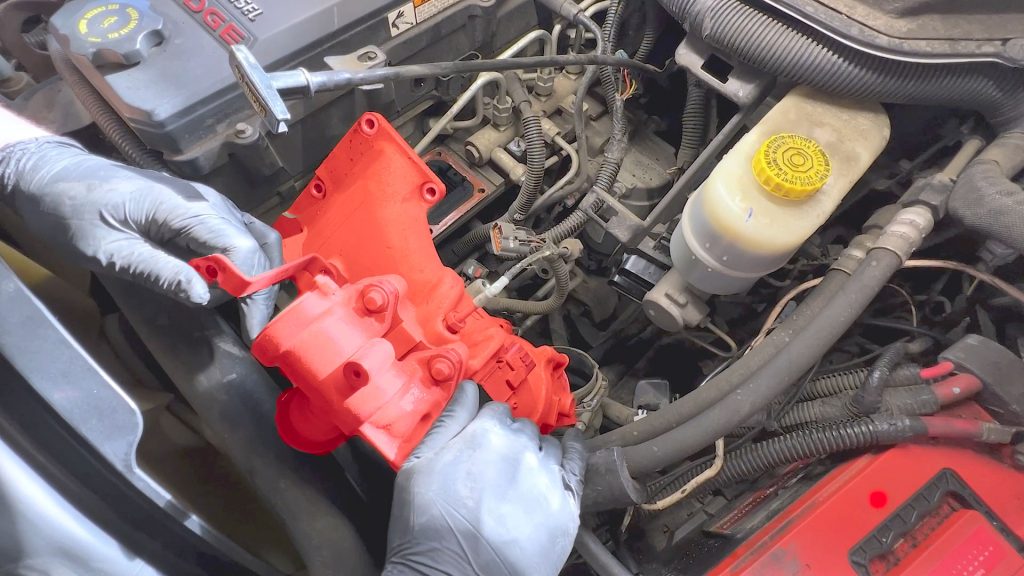
4. Rotate the intake horn on its side to free it from the boost tube, and locate the throttle valve plug on the back side.

5. Slide the red locking tab to unlock…

and then unplug the throttle valve.
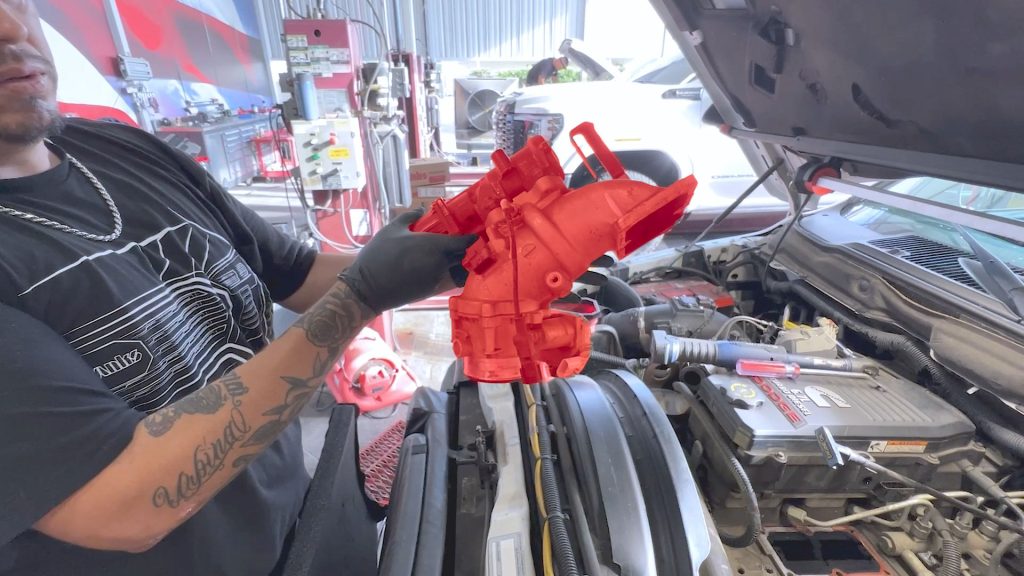
5. Lift the factory intake elbow up and out of the truck, and move it to a workbench.

6. Place a rag over the factory boost tube. Place the clamp back over to hold the rag.

6. Place a rag over the factory grid heater.

7. Grid Heater Plate & Fuel Rail Removal
1. With a flat-blade screwdriver, remove the rear PCV hose from the valve cover.
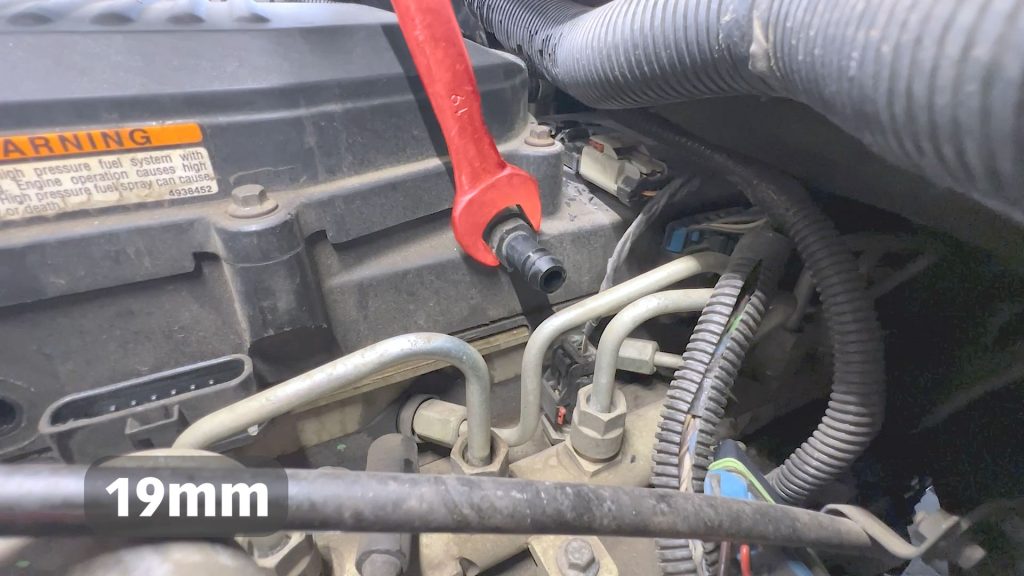
2. With a 19mm remove the rear plastic barb from the cylinder head.

3. On the passenger side of the engine, locate the actuator above the EGR cooler. Depress the red tab to unlock its plug.

4. Unplug the EGR actuator.

5. Now move back to the driver side of the engine. With a flat-blade screwdriver, slide the red tab to unlock the sensor above the blue/green rear injector plug.

6. Then unplug the sensor.

7. On the intake plate, use a flat-blade screwdriver to slide the red tab over and unlock the temperature sensor.
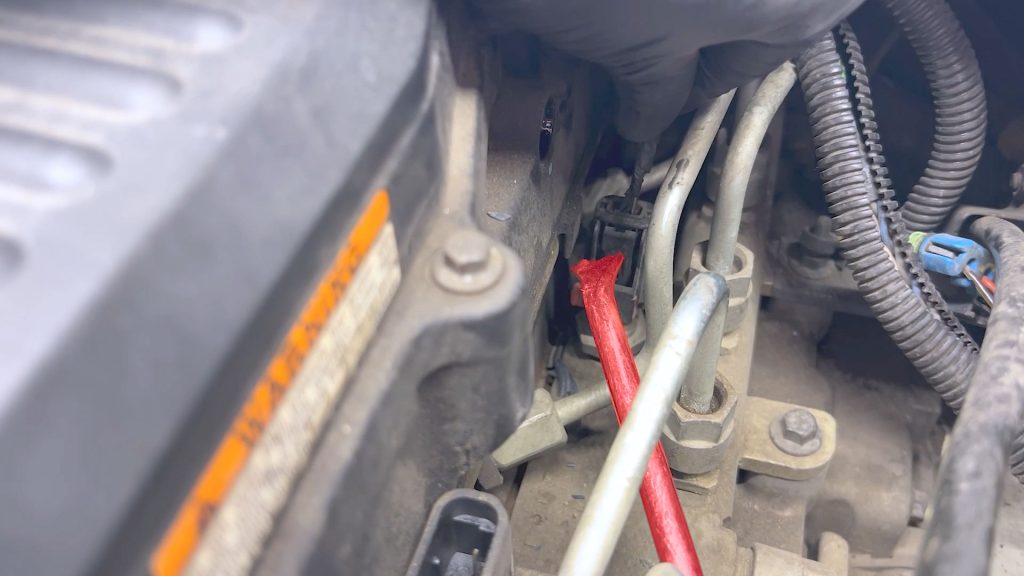
8. Then depress the center tab to unplug the sensor from the plate.

9. Using a flat-blade screwdriver, depress the center of the rear blue/green injector and unplug it.
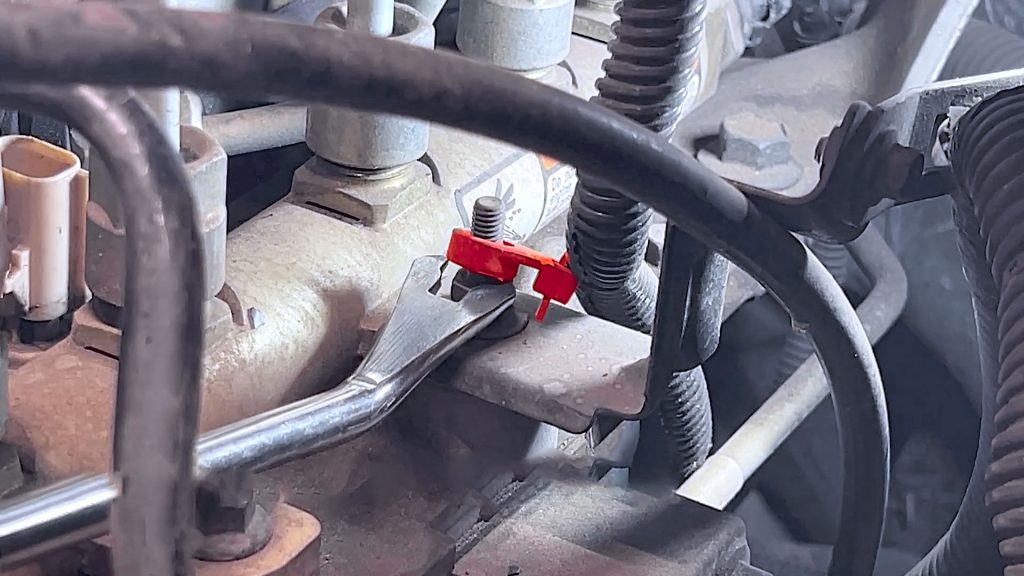
10. Lift the harness cable tie off its mounting stud for the dipstick bracket.

11. With a 10mm deep socket, remove the stud holding down the bracket.

12. Use a bungee cord to pull the dipstick tube away from your workspace as you continue to remove the fuel rail and plate.
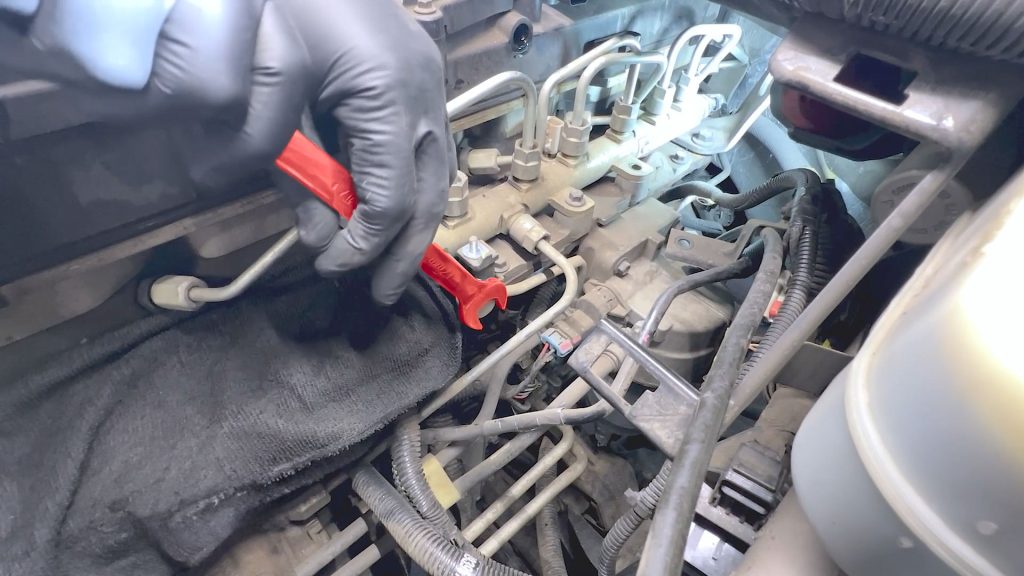
13. With a 17mm wrench, remove the banjo bolt from the fuel rail.

14. Be sure the catch the washer that is between the banjo bolt and the fuel rail.

15. With a 17mm wrench, loosen the upper nut that holds the higher pressure fuel line.

16. With a 17mm wrench, loosen the lower nut on the same high pressure fuel line.

17. Rotate the fuel line away from the rail, then snug the lower nut so that it wont move in your way.

18. Use the supplied plastic caps to plug any open fuel rail ports.

19. 17mm wrench, loosen both ends of the #1 fuel line.

20. Once both ends are loose, remove the #1 fuel line from the truck.

21. Be sure to plug any open ports as you go along, repeat this for the #2, #3, #4, and #5 fuel lines.

22. The #6 fuel line is difficult to reach. Start by loosening the nut that attaches the fuel line to the cylinder head about a quarter turn.
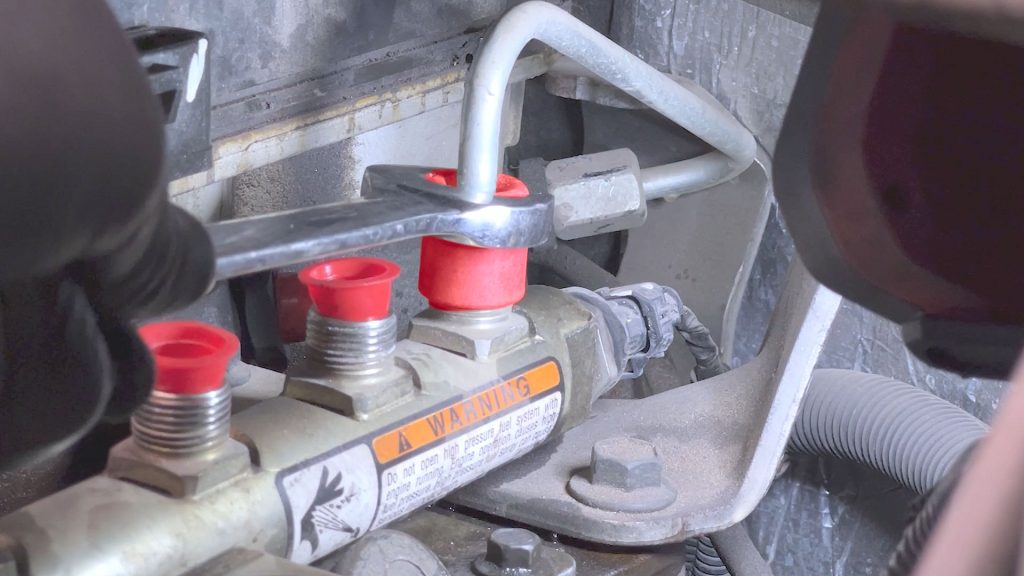
23. Then fully loosen the side that attaches to the fuel rail.

24. This will allow you to rotate the #6 fuel line up and out of your works space. You do not want to remove this line as its difficult to put back in.

25. With a 10mm deep socket, remove the 8 bolts & stud that hold the fuel rail and intake manifold.

26. Don’t try to pull on the rail yet, there is one more sensor attached at the rear.
Once the 4 bolts are removed, gently lift the fuel rail up and place a rag at the rear as the rail may still have some diesel fuel in it.

27. Reach behind the fuel rail and unplug the rear sensor.

28A. If your are having difficulty unplugging the sensor due to age or grime, you can also simply hang the fuel rail up and out of your work space.

28B. Otherwise once unplugged, move the fuel rail out of the way on your workbench.

29. Carefully lift the factory grid heater plate up and out of the engine bay.
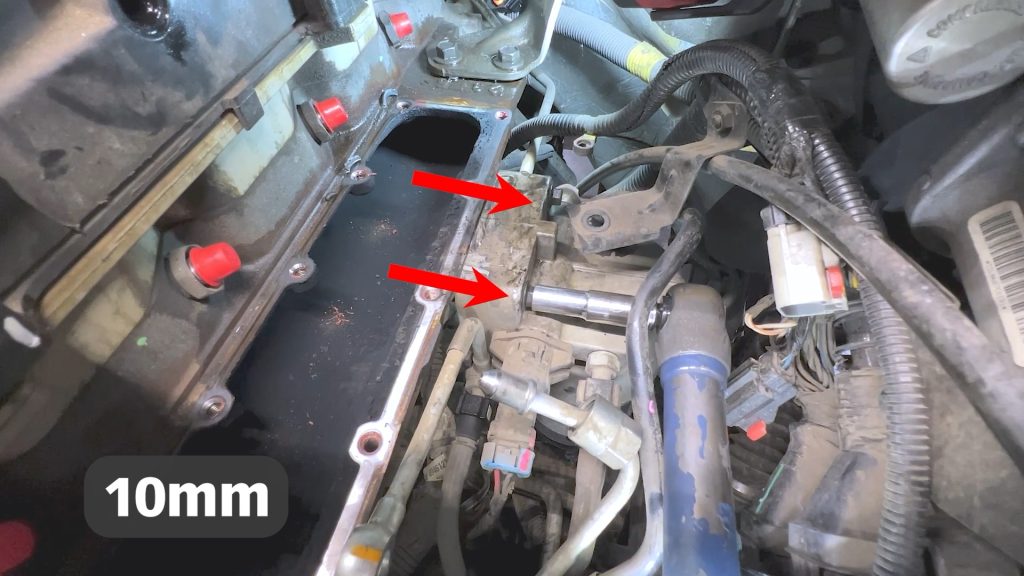
30. With a 10mm socket, loosen the two bolts that hold this bracket to the intake manifold. It will drop down a few mm and provide extra space for the Banks High Flow Plate. Retighten the bolts in the new lower position.

31. Scrape off any left over gasket material from the mating surface. Take care not to scratch the surface, you want it smooth.

32. Use a shop vac to remove any loose debris that fall into the intake manifold.
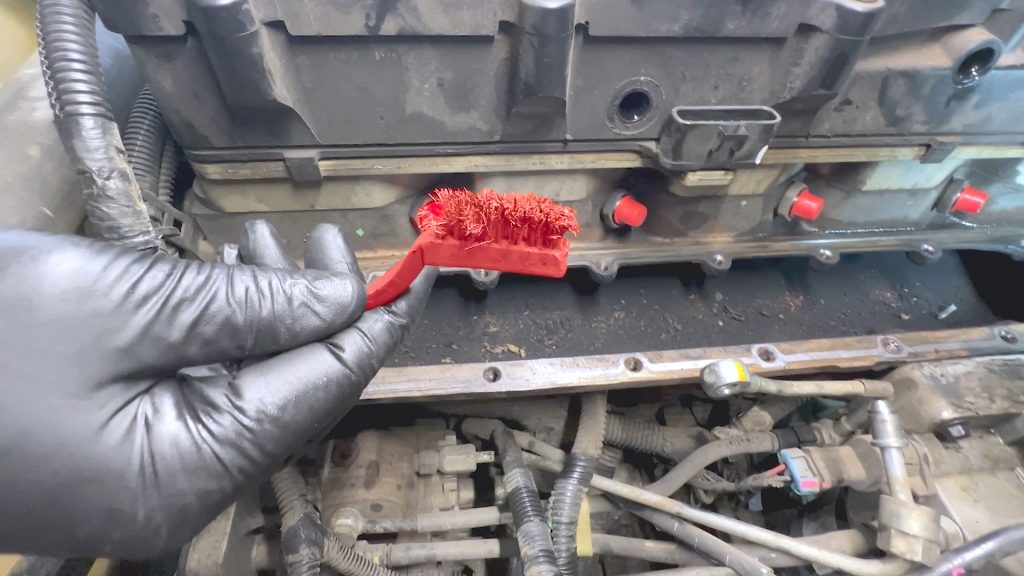
33. A wire brush also works well to remove the old gasket material.

34. Wipe clean any left over material.

35. With a 24mm socket, Re-torque each of the 6 fuel injector tubes to 41 ft-lb.
This step is critical to prevent possible leaks as these injector tubes may have rotated back out during the removal of the fuel injector lines.
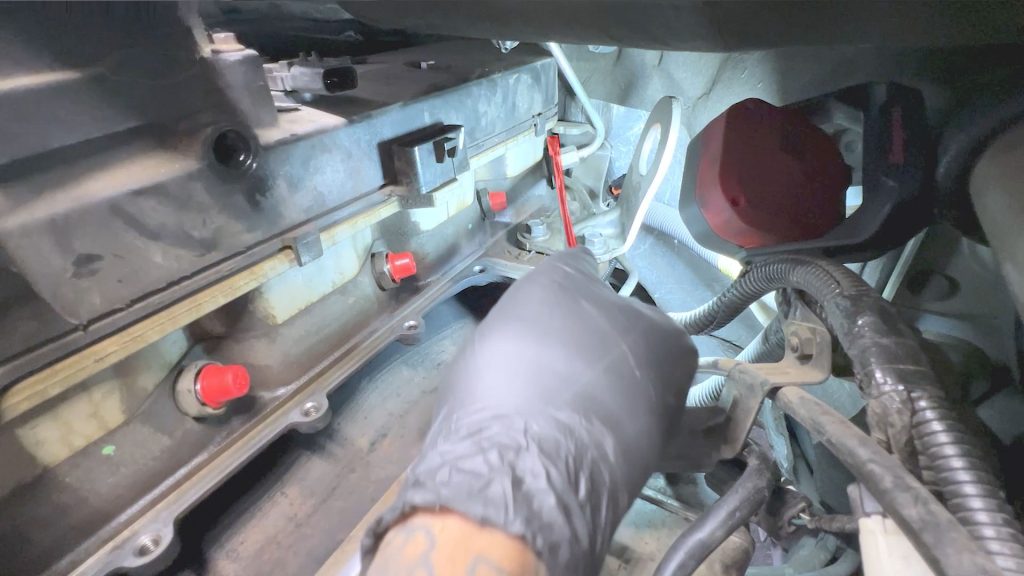
36. Use a 24mm crows foot or open ended wrench for the #6 fuel line.

8. Cast Plate Installation
1. With a 21mm wrench, remove the temp sensor from the factory grid heater plate.
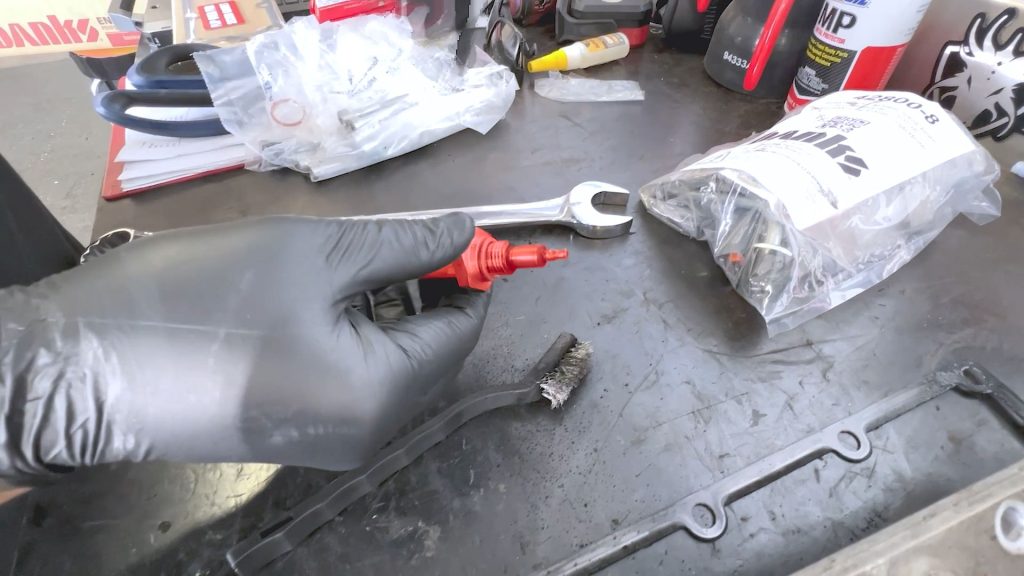
2. Now is a good time to clean up any built up carbon deposits on the sensor.

3. Install the temp sensor into the Banks Cast Plate.
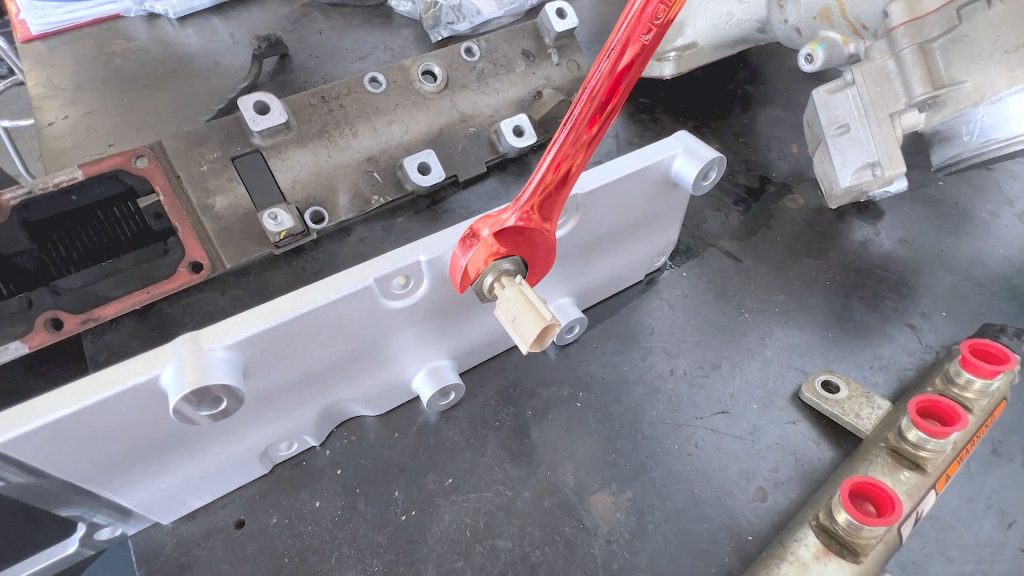
4. Snug the sensor into the plate with a 21mm wrench. Take care not to over tighten the sensor and damage the aluminum.

5. Line up the supplied intake manifold gasket.
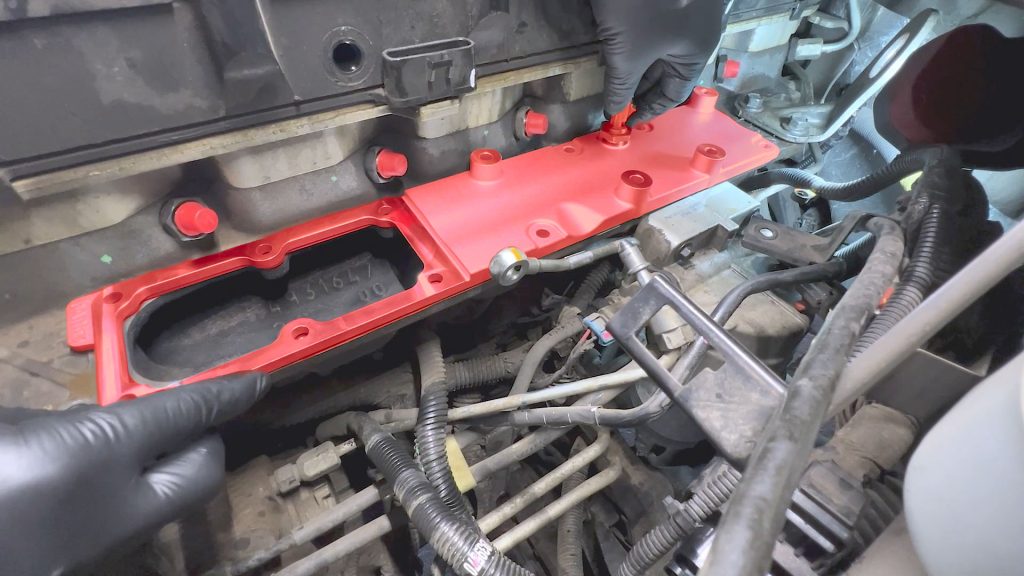
6. Line the Banks Highflow Cast Aluminum Plate onto over the gasket.
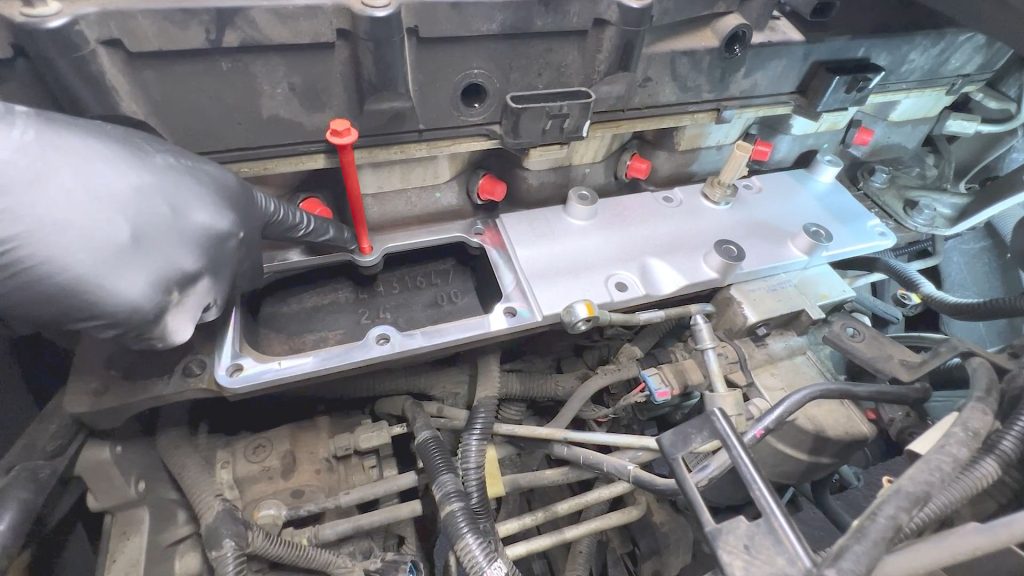
7. Use one of the factory bolts to help stabilize and line up the holes.
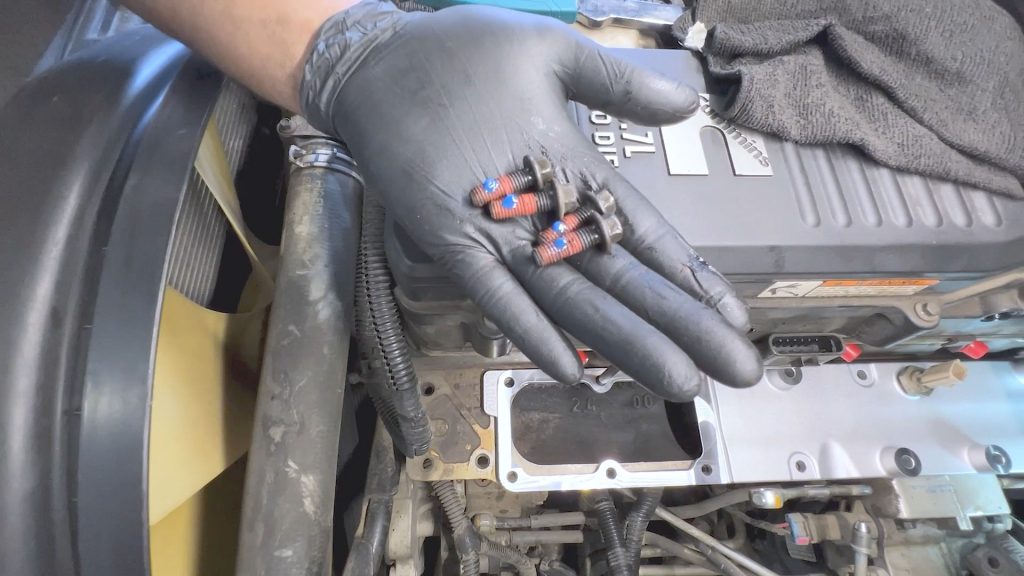
8. Grab the 4 short bolts that held the intake manifold plate down. Apply a drop of threadlocker to each.

9. Thread them in the four spots where the fuel rail spacers are not.

10. With a 10mm socket, snug the four bolts down for now; they will be torqued later.

9. Fuel Rail Installation
1. Bring the fuel rail back over to the truck and line it up with the four spacers on the high-flow plate.

2. Apply a drop of thread locker to the three bolts and stud for the fuel rail.

3. Hand thread the stud by hand on the rear driver’s side position of the fuel rail.

4. Thread them in by hand first, leave them loose until the hardlines from the fuel pump are attached.
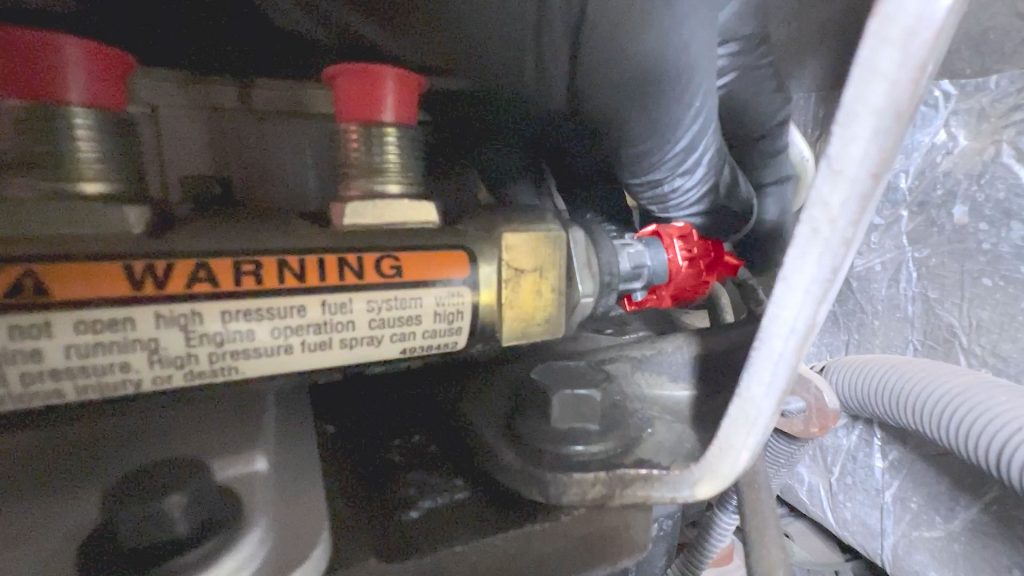
5. If you unplugged it earlier in the install, reconnect the fuel rail pressure sensor at the rear of the fuel rail.

6. While you’re back there, rotate the #6 fuel line back down and onto the fuel rail. Hand-tighten it for now.

7. Rotate the high-pressure fuel line from the fuel pump back onto the fuel rail. Hand-tighten for now.
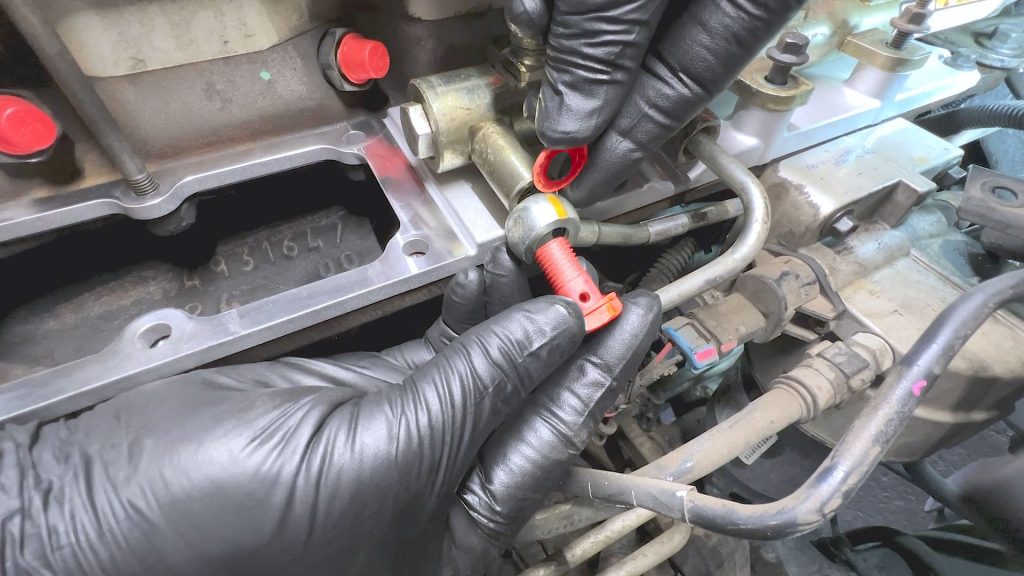
8. Carefully slide the washer back into place for the banjo bolt, and hand tighten for now.

9. Snug down all the 10mm bolts for the fuel rail and intake manifold plate.
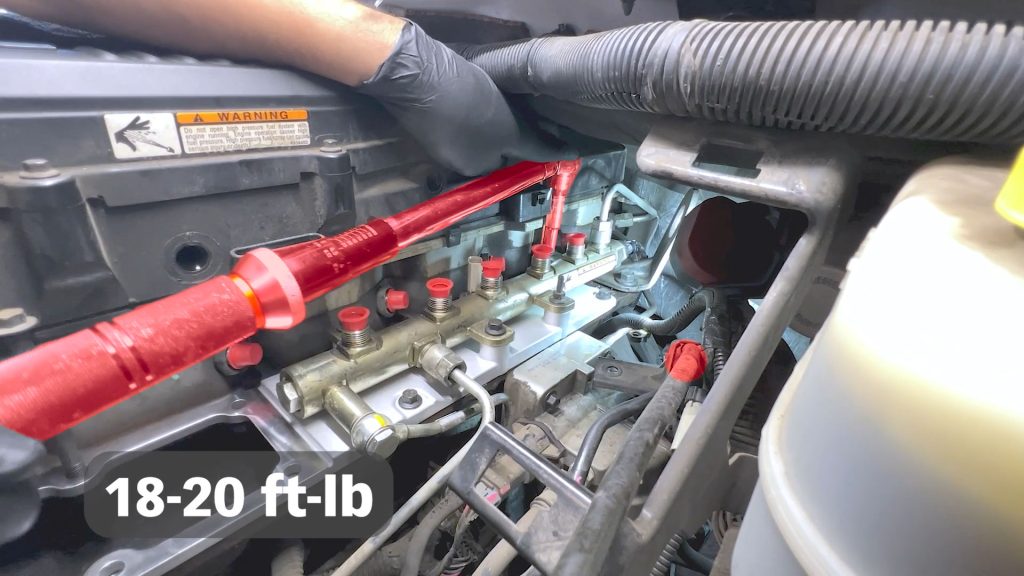
10. Torque each of the fuel rail bolts to 18-20 ft-lbs.
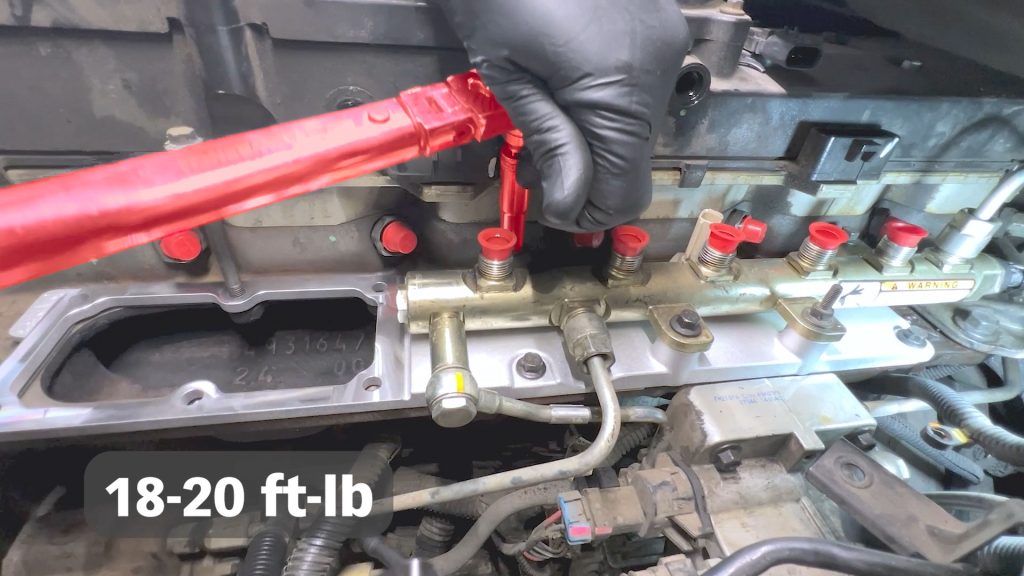
11. Torque each of the intake manifold bolts to 18-20 ft-lbs.
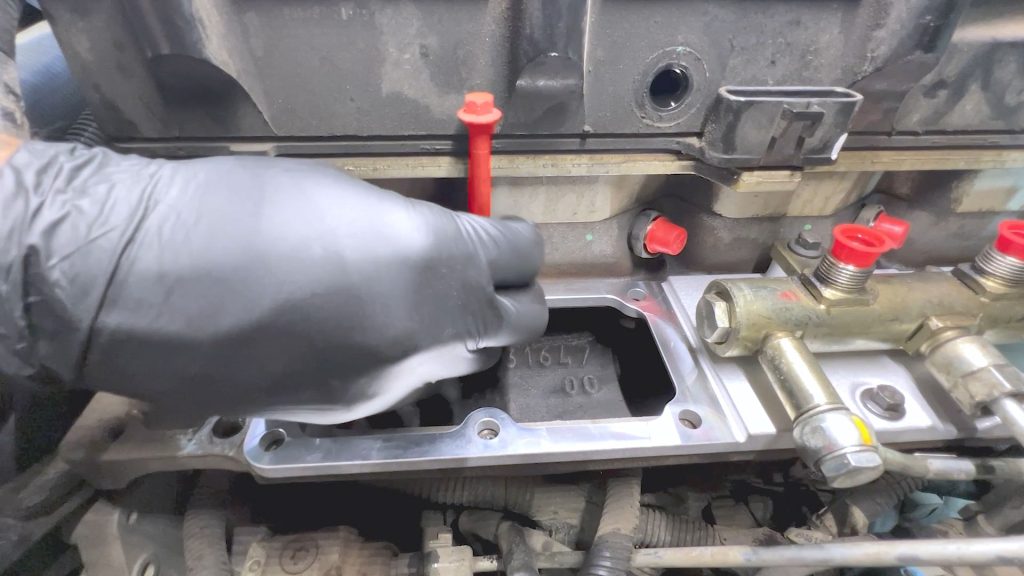
12. Remove the bolt used to hold the intake manifold in place.

13. With a 17mm socket, torque the banjo bolt to 18 ft-lbs.

14. With a 19mm crows foot, torque the high-pressure line to 30 ft-lbs.
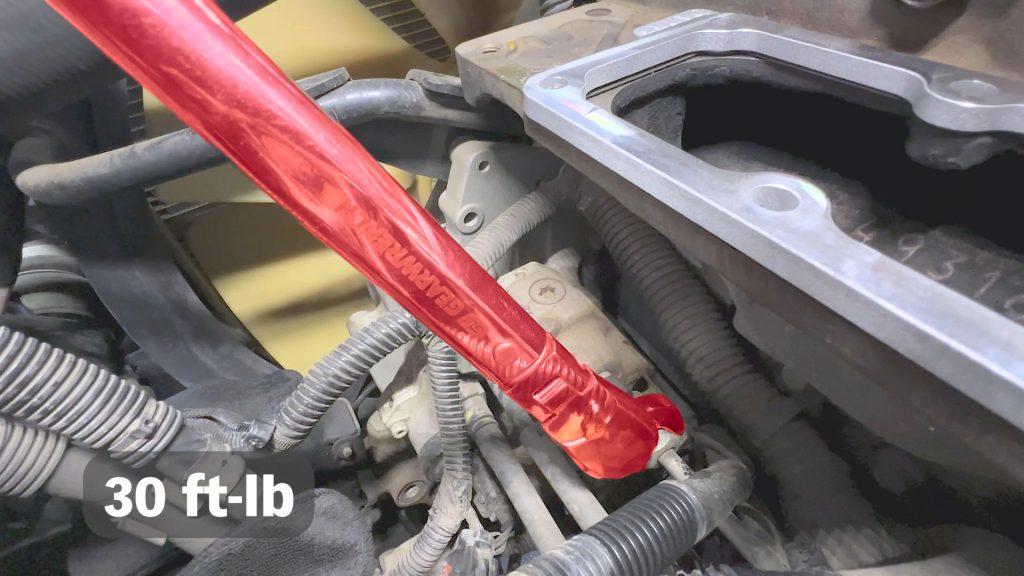
15. Don’t forget to torque the other end of the fuel line on the fuel pump to 30 ft-lbs.

16. With a 19mm wrench, snug the #6 fuel line down.
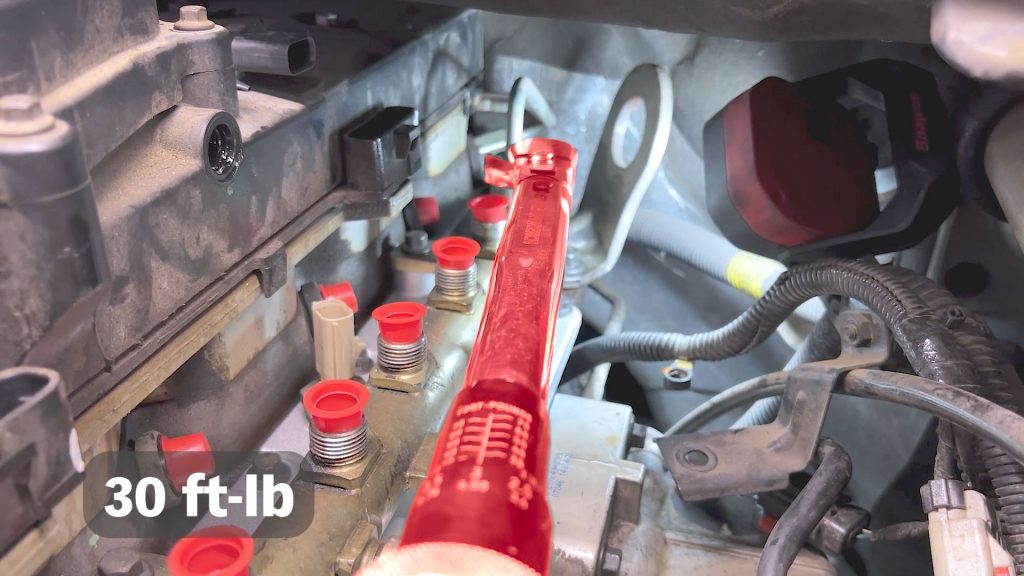
17. With a 19mm crows foot, torque both ends of the #6 fuel line to 30 ft-lbs.

18. Next install the #5 fuel line, thread both ends in by hand to start.

19. Then torque both ends to 30 ft-lbs.

20. Next install the #4 fuel line, thrad both ends in by hand to start.

21. Next Install and torque the #3 fuel line to 30 ftl-bs.

22. Next install the #2 fuel line and snug both ends down by hand.

23. Then torque both ends to 30 ft-lbs.

24. Finally install the Banks #1 fuel line, tighten both ends by hand.
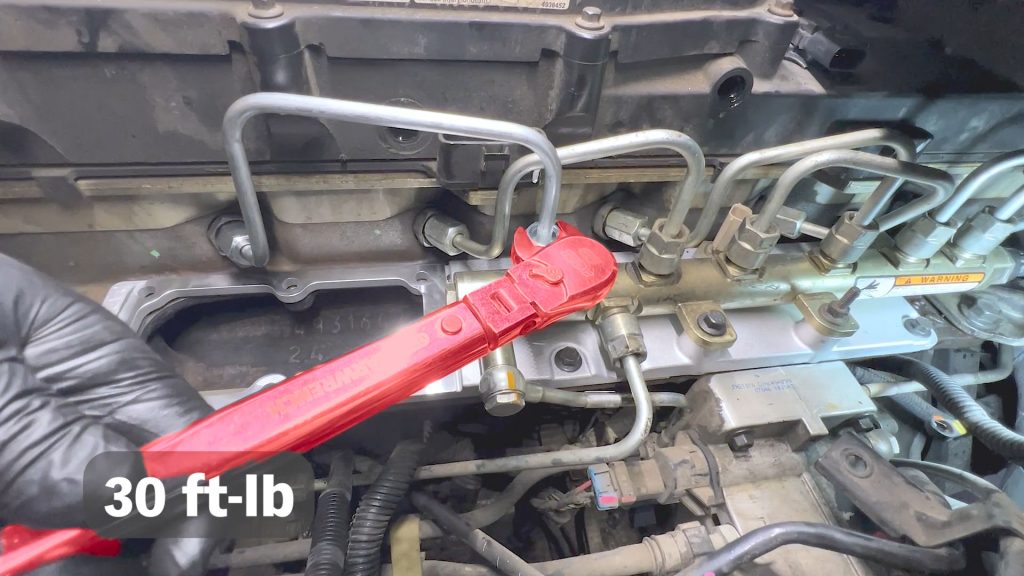
25. Then torque both ends to 30 ft-lbs.
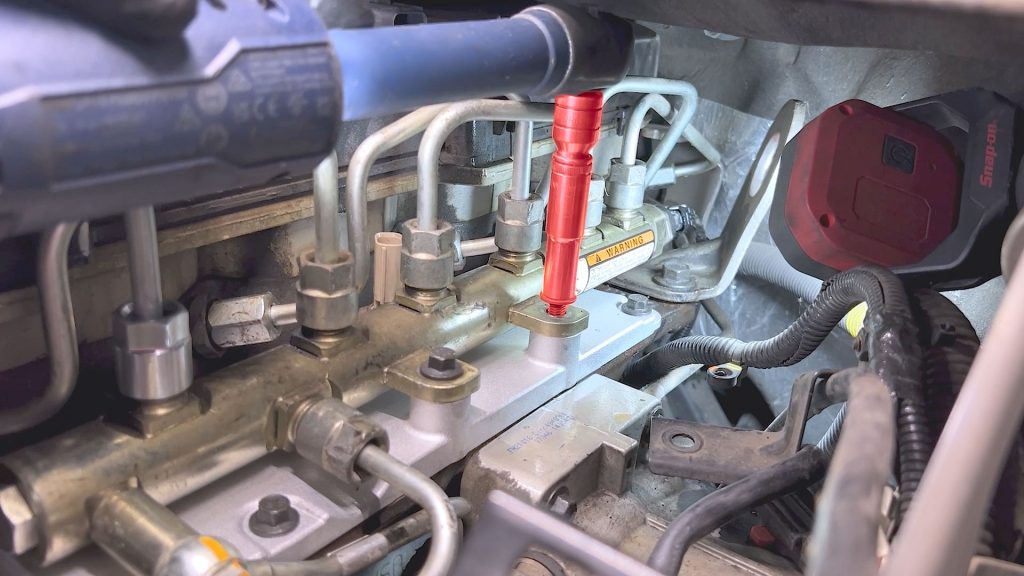
26. With a 10mm deep socket, temporarily remove the stud for the fuel rail.

27. Release the dip-stick tube from the bungee cord.

28. Line the dip-stick tube bracket in place.

29. Then snug the stud back down to 18-20 ft-lbs.

10. Engine Harness Installation
1. Route the two plug injector harnes under the dip-stick tube.

2. Plug the rear one in first.
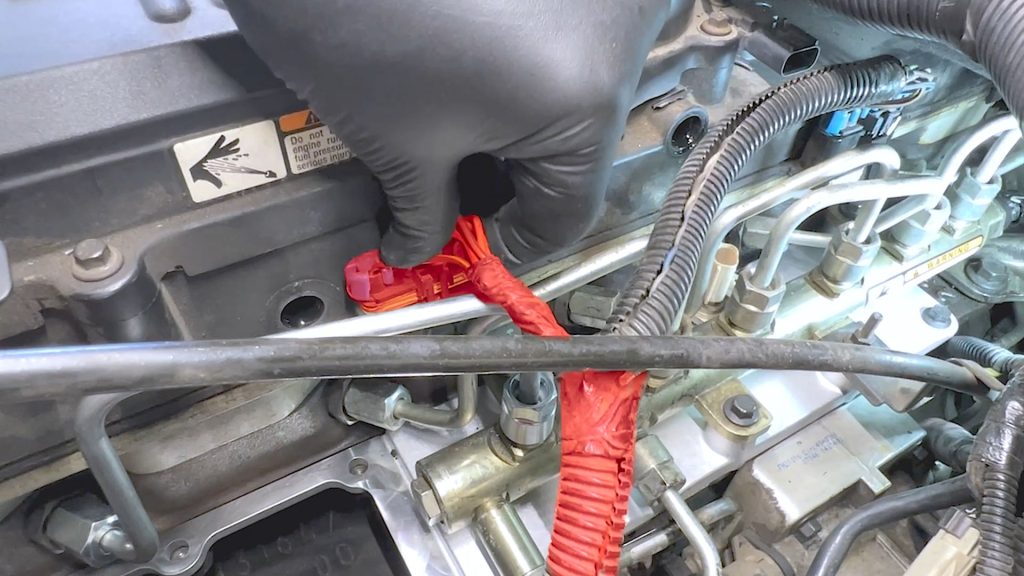
3. Then plug in the front injector plug.

4. Thread the rear plastic barb back onto the valve cover.

5. Slide the rear breather hose back onto the rear barb.
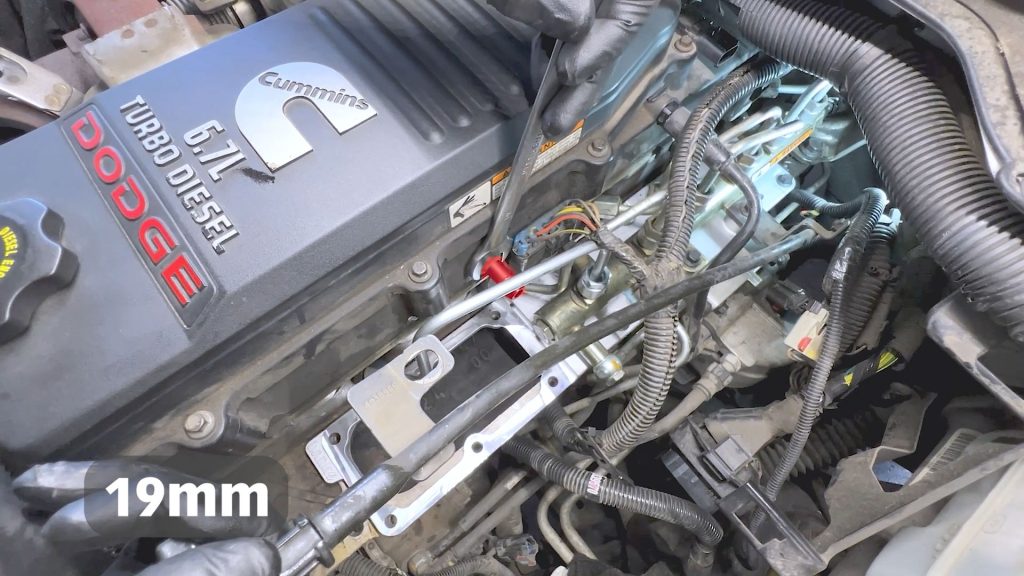
6. Thread the front plastic barb onto the valve cover. Its matching rubber hose will be installed later.

7. Plug in the temperature sensor on the intake manifold plate. Lock it in place by sliding the red tab..

8. Plug in the sensor at the rear of the valve cover. Lock it in place by sliding the red tab.
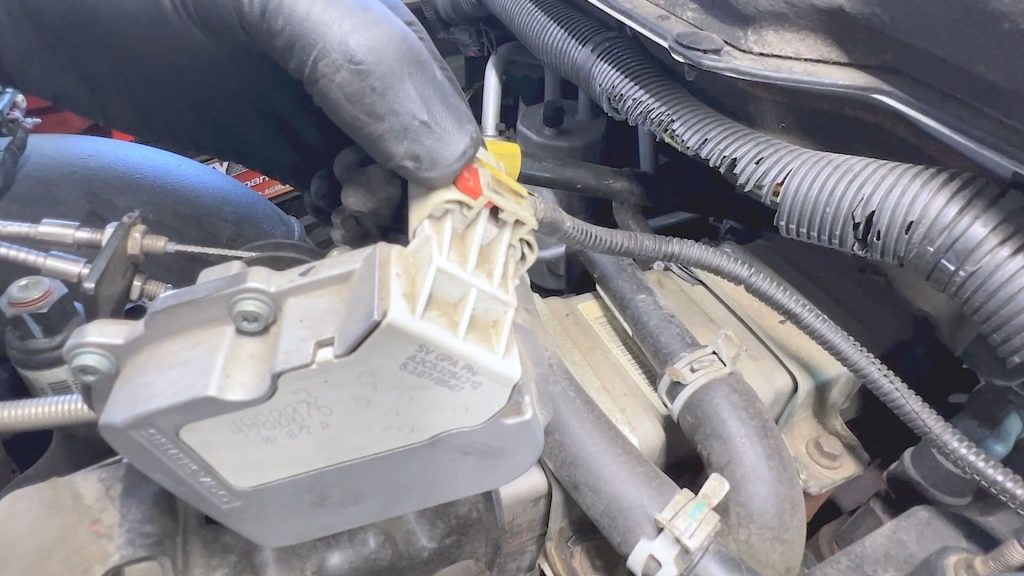
9. Locate the 4-pin plug on the passenger side, and plug it back into the EGR valve actuator. Lock it in place by sliding the red tab.
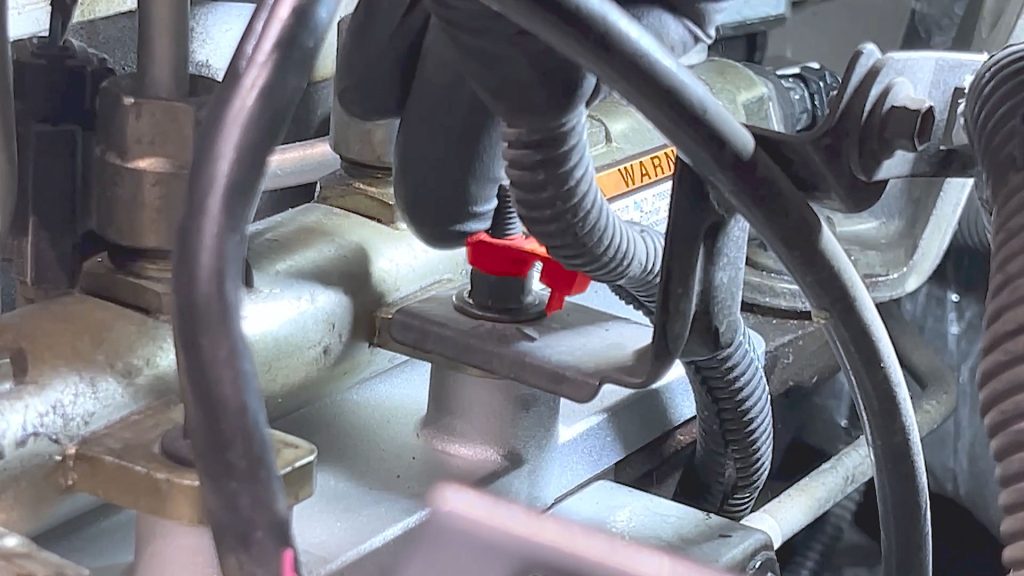
10. Reattach the wire harness to the fuel rail stud.
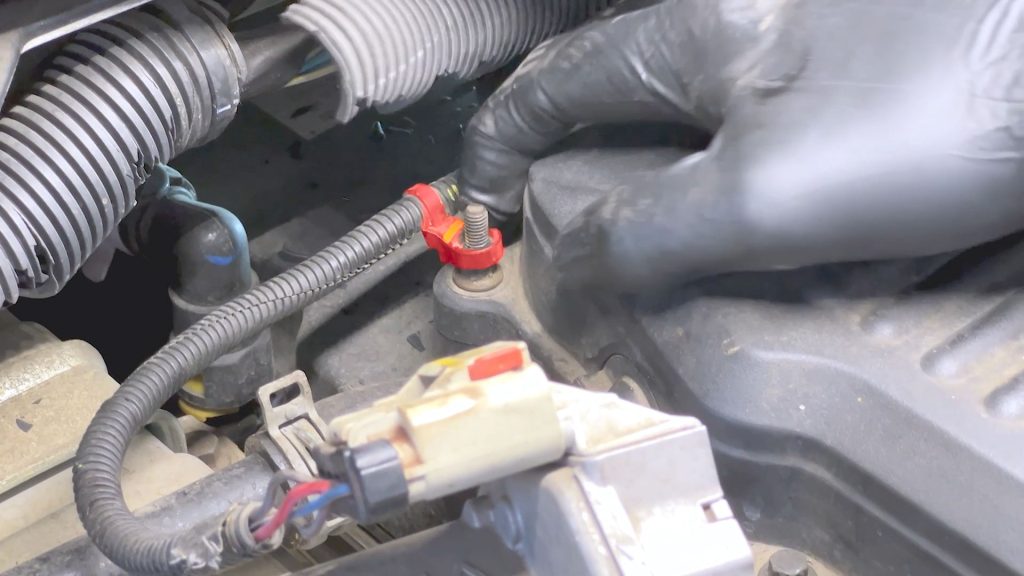
11. Reattach the wire harness to the rear passenger side valve cover stud.

11. Prepare the Monster Ram
1. With a 14mm wrench, remove the EGR temperature sensor.

2. With a Torx bit, remove the MAP sensor.
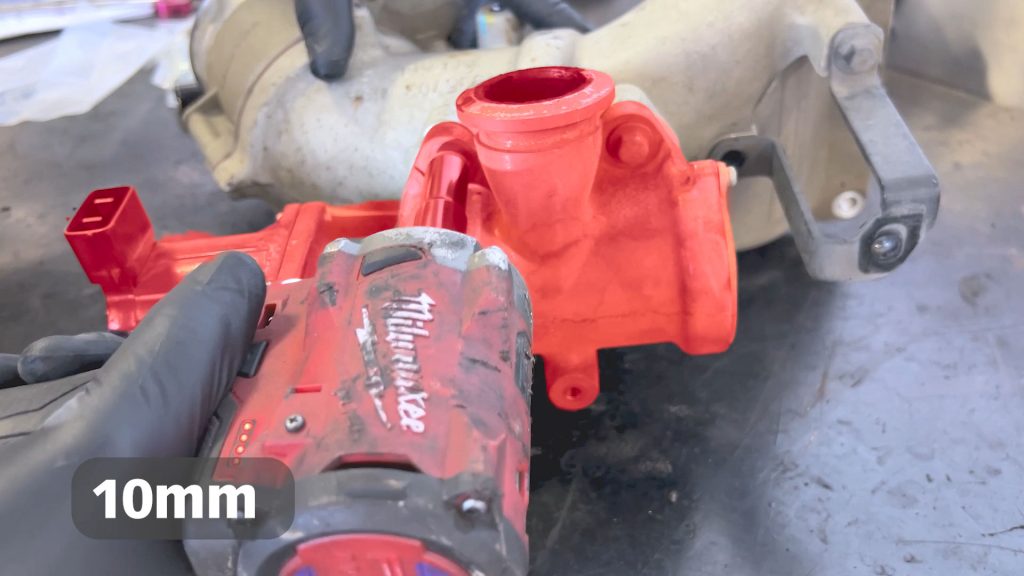
3. With a 10mm deep socket, remove the EGR valve.

4. With a 10mm deep socket, remove the 4 bolts that hold the throttle valve.

5. Due to age and grime, the throttle valve my still be stuck on the intake horn. Use a mallet to break it free.
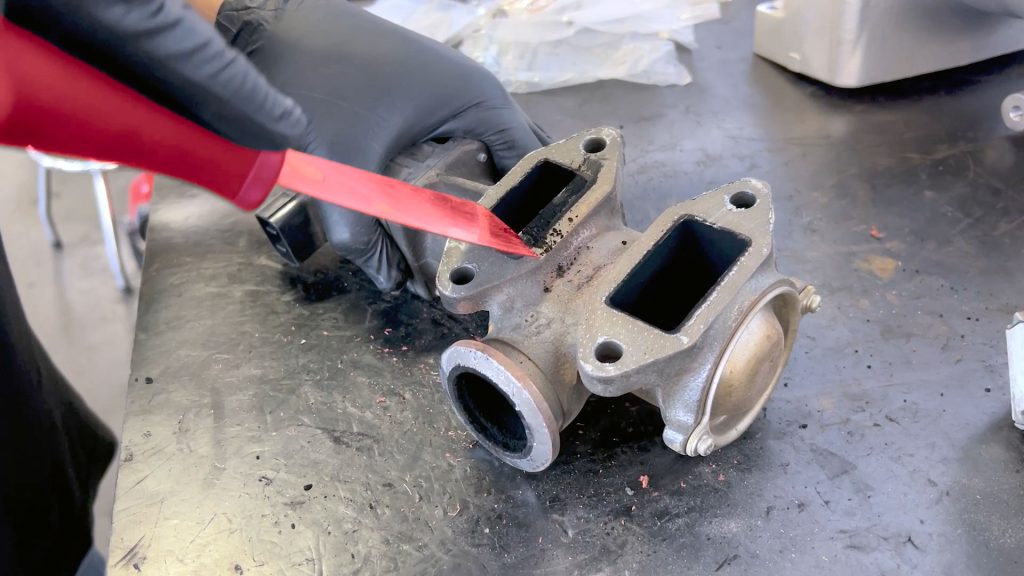
6. Clean off any remaining gasket material from the face of the EGR valve. Take care not to scratch the surface.

7. If you have access to compressed air, clean out the EGR valve.

8. Thread the four NPT plugs into the Monster-Ram by hand first. Thread sealant can be used if prefered.

9. Tighten each one until they are snug. The threads will bind and self-seal. Do not attempt to bottom out the plugs.
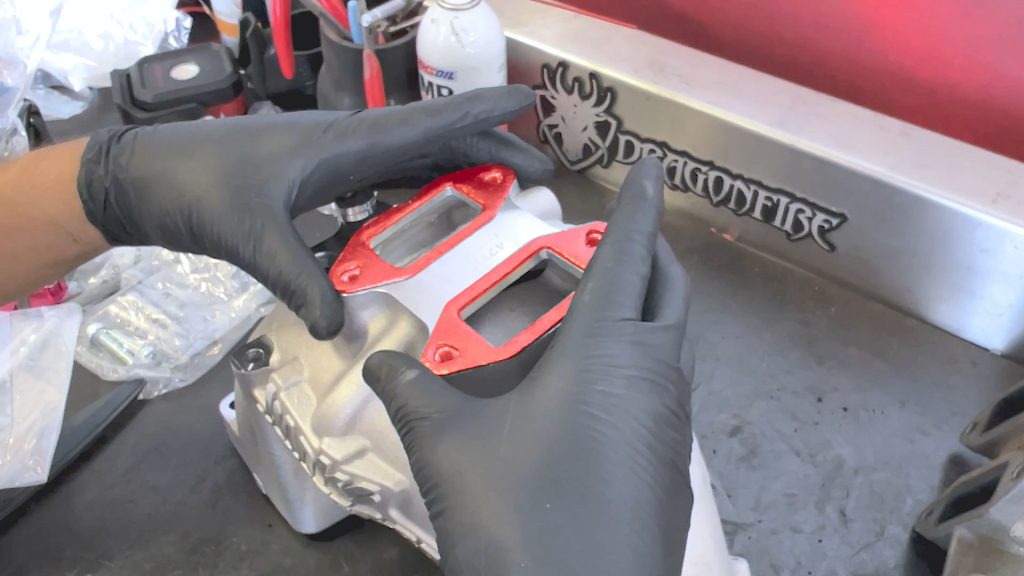
10. Line up both of the supplied EGR gaskets.

11. With a 10mm deep socket, snug the four bolts down to hold EGR down. They will be fully torqued later.

12. Line up the supplied gasket for the throttle valve.
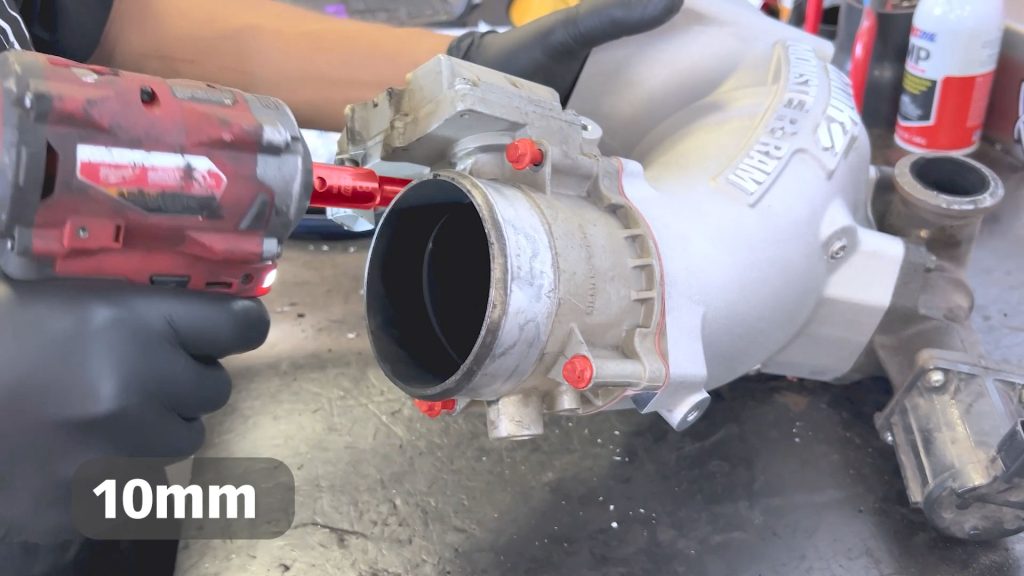
13. With a 10mm deep socket, snug the four bolts down.

14. Take this time to clean and remove any carbon build-up from the MAP sensor. Use some light brushing and/or MAF cleaner.
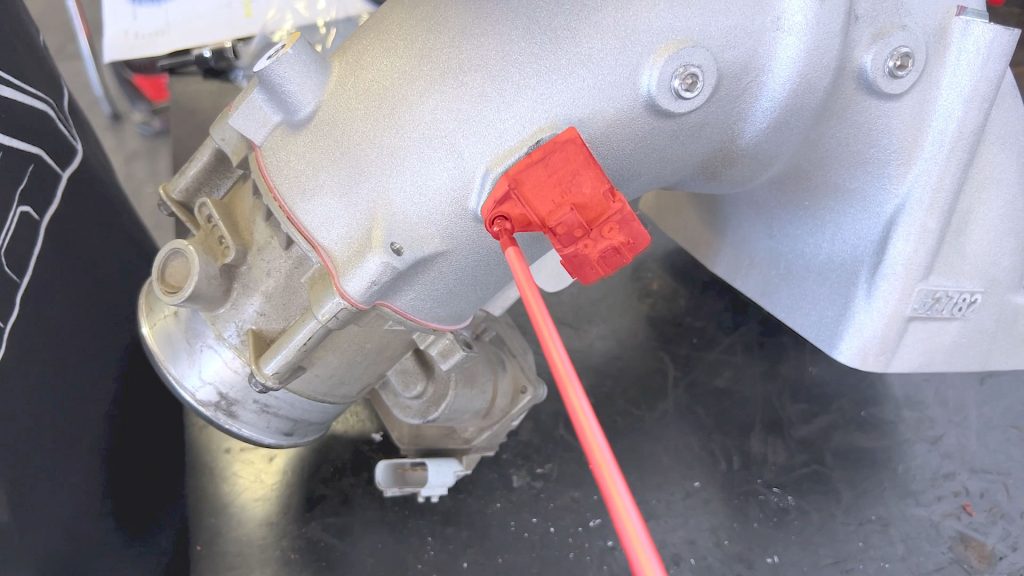
15. Swap the cleaned MAP sensor onto the Monster-Ram.

16. Torque the four throttle valve bolts to 20 ft-lb.
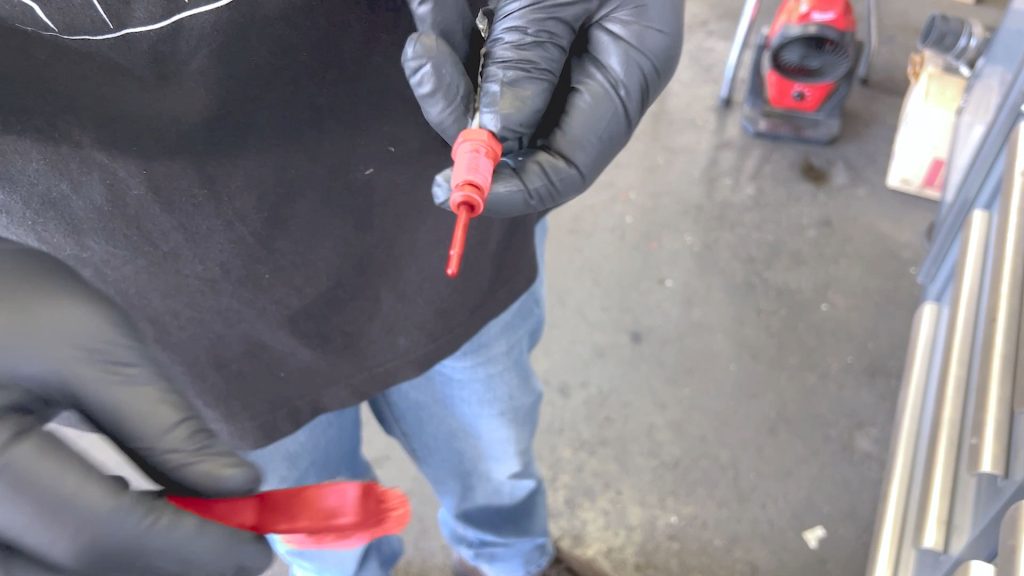
17. Clean off any carbon build-up on the EGR Temperature Sensor.

18. Install the EGR Temperature Sensor onto the EGR ring of the monster ram so that the wire runs down.

19. Slide a washer on the 4 bolts which dont have a flanged head on them, and apply some blue Loctite to all 6.

20. Cut the cable tie that holds the Injector Harness together to free up extra slack.

21. Line up the supplied intake manifold gasket on the intake plate.

22. Remove the rag that was covering the boost tube, but leave the t-bolt clamp.

12. MonsterRam Install
1. Bring the assembled Monster-Ram over to the engine bay and slip the throttle back onto the boost tube.

2. Start by threading in the two long bolts with washers into the Monster-Ram by hand.

3. Then thread in the two short bolts with washers by hand.

4. Using a magnet tool, thread in one short flanged bolt into the center location.
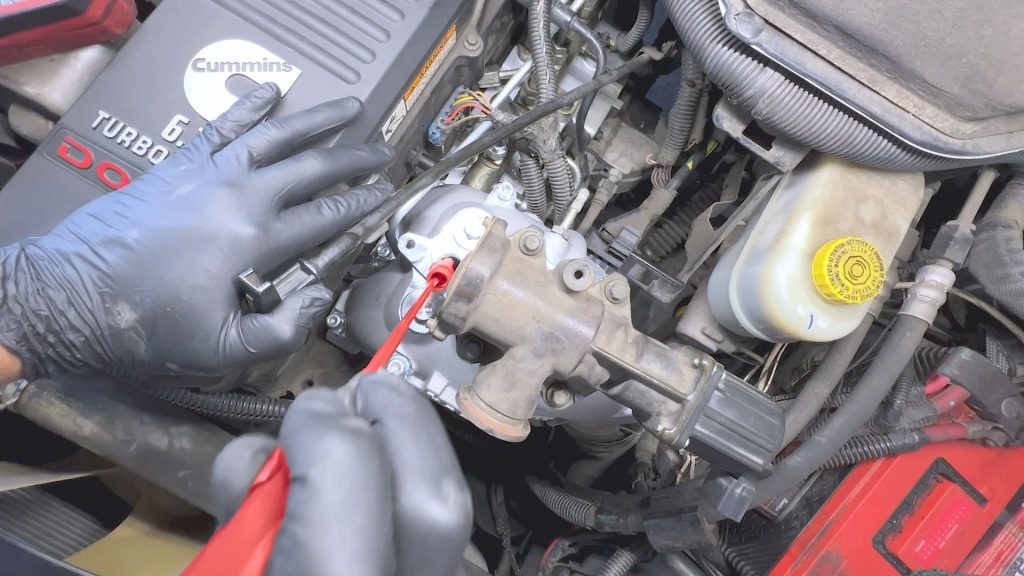
5. Using a magnet tool, carefully thread in the final flanged bolt through the coil heater location.
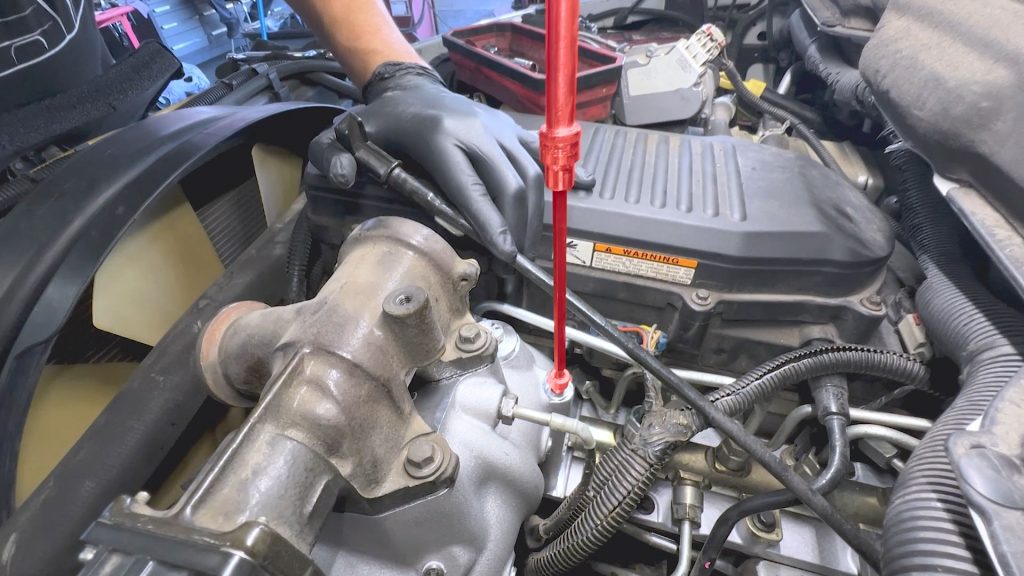
6. Snug down all six bolts with the supplied hex extension.

7. Torque each of the bolts to 18-20 ft-lbs.

8. Snug down the t-bolt clamp to secure the boost tube.

9. Plug in the throttle valve to the factory harness.

10. Plug in the MAP sensor to the factory harness.

13. EGR Temp Sensor Modification.
1. Cut off the highlighted raised section from the EGR sensor’s plug.

2. Use a pair of flush cuts.

3. When finished, it should look as shown.

4. Check that the sensor is able to connect to the Banks extension harness, then slide the red locking tab to secure it.

5. Next, look at the opposite end of the Banks extension harness, and cut off the same raised section with a pair of flush cuts.

6. Route the harness down and under the Monster-Ram.
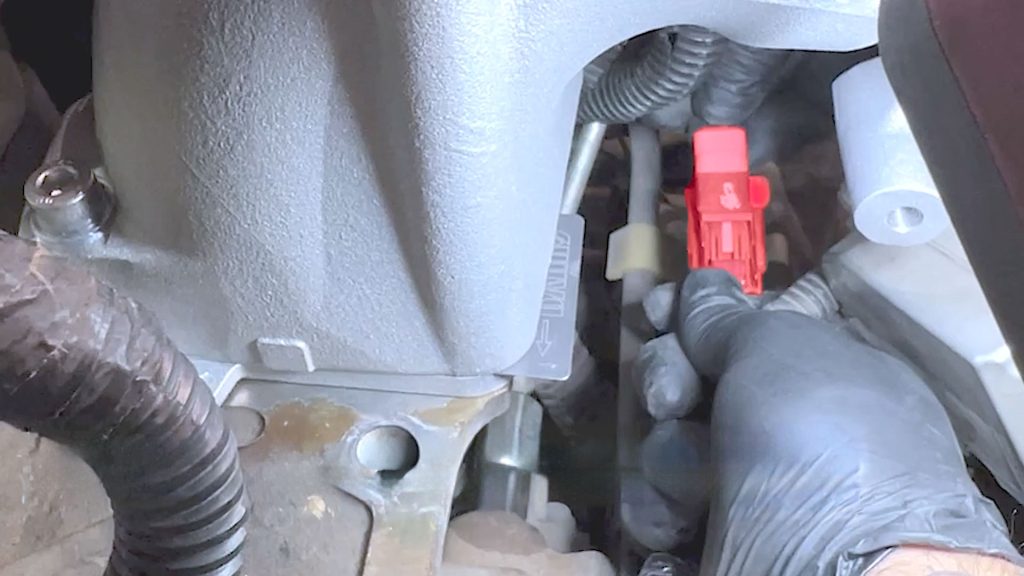
7. Connect the trimmed Banks Extension harness to the factory harness, and slide the red locking tab in place.
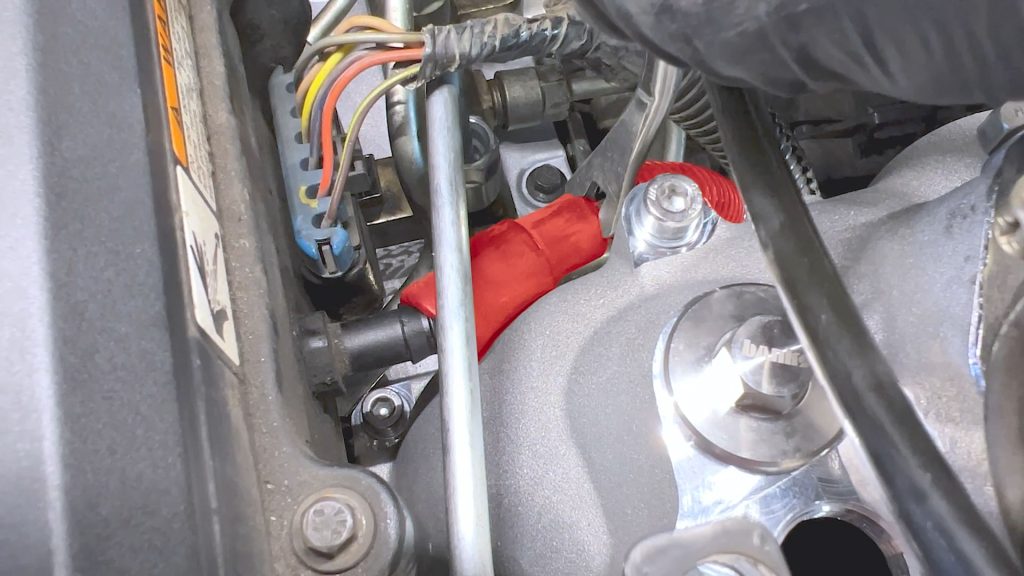
8. Now slip the breather hose onto the front plastic barb. Using a flat-blade screwdriver as a lever can help.

14. Heater Coil Prep
1. Apply some anti-sieze compound to the threads of the heater coil.

2. Slide the supplied copper washer onto the heater coil.

3. Thread in the heater coil by hand first.
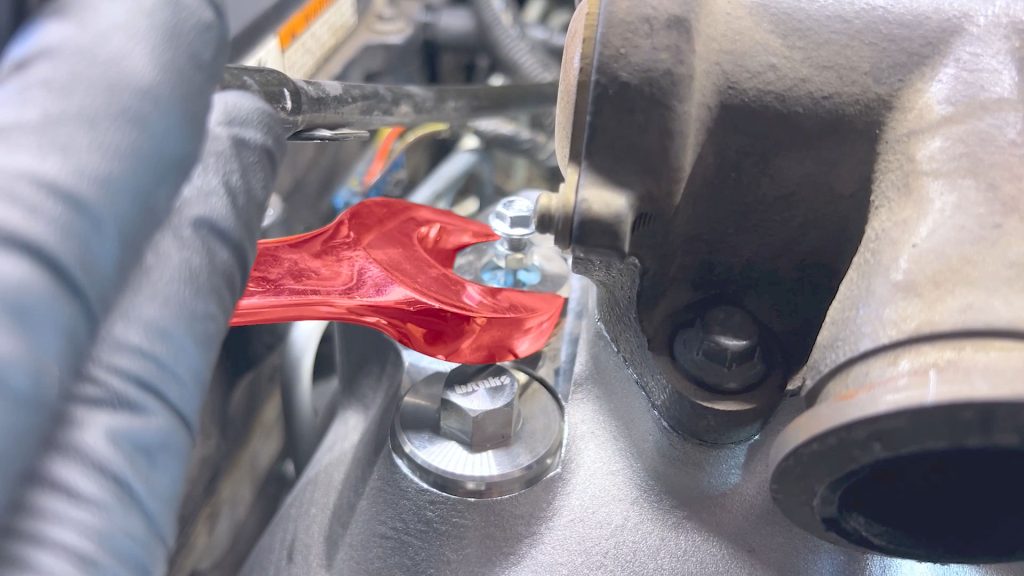
4. With a 17mm wrench, snug the heater coil into the Monster-Ram.

5. Bring the dip-stick bracket and factory bolt over to the Monster-Ram, thread it in by hand loosely first.

6. Thread the supplied 13mm bolt through the dip-stick tube and bracket.

7. Now tighten the factory 10mm and supplied 13mm bolts.
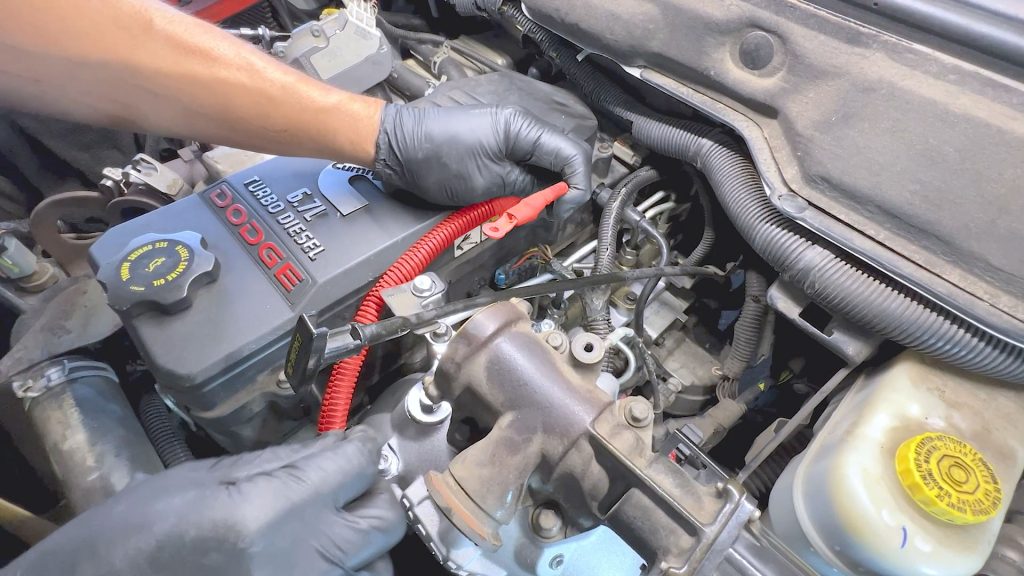
8. Bend the 12V heater wire in a U, and route the cable around the back side of the Monster-Ram.
The following step for the heater coil is critical.
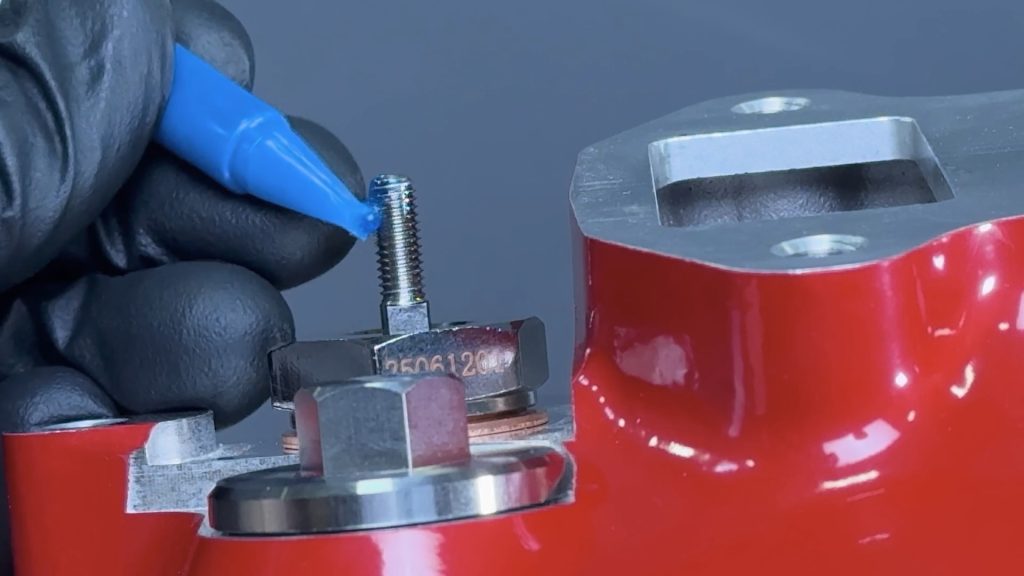
Heater Coil Prep
Remove the lower nut from the heater coil, and apply a drop of blue loctite to the threads.
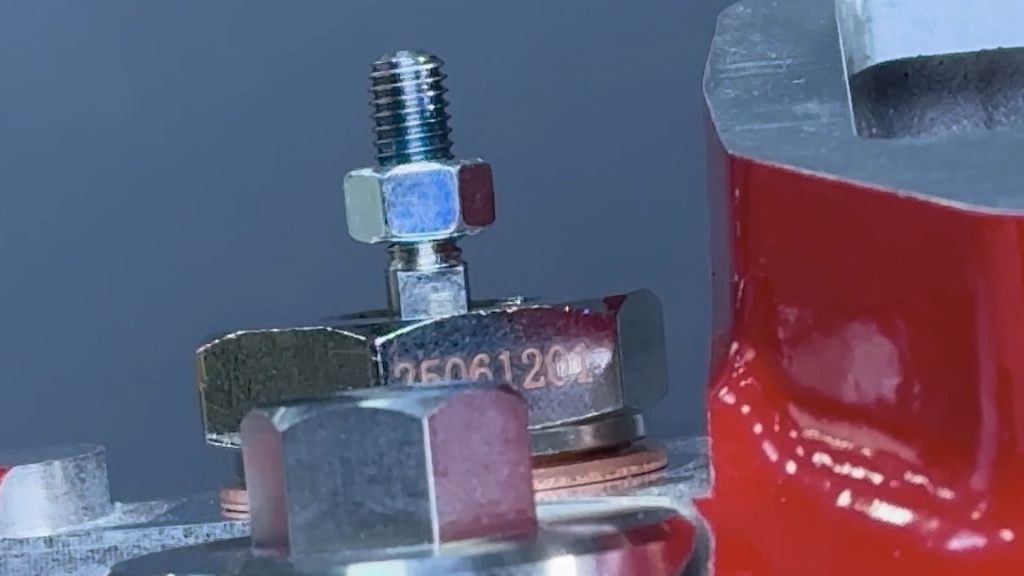
Replace the lower nut back onto the heater coil. Be sure the leave 1-2 threads visible under the nut.
You want to make sure the 12V heater cable does not come into contact with the rim of the heater coil.

Place the 12V power lead on top of the lower nut.

Sandwich the ring terminal between the two nuts by spinning the supplied 8mm top nut down by hand.
The following step is critical. Failure to do so can break the internal insulated post free from the rest of the coil and damage the heating element.
When tightening the top nut of the heater coil, you must also place a crescent wrench on the lower nut so that it does not move.
You want to cinch the two together and sandwich the 12V power lead.
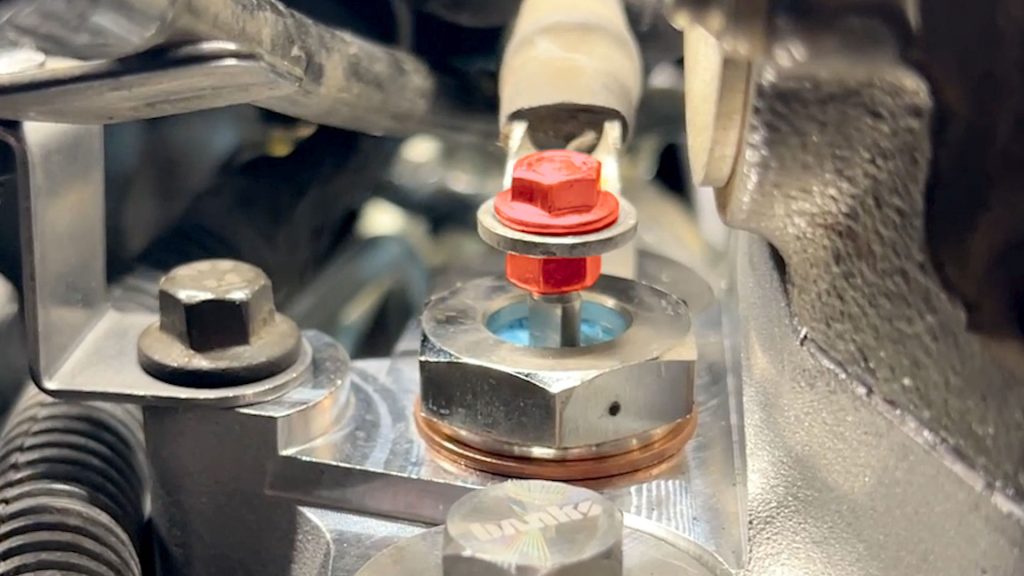
If done correctly, the 12V heater wire should look like this.

15. EGR Crossover Tube
1. Flip the V-band clamp over so that the threaded end is pointing towards the side of the truck.

2. Place the conical EGR gasket onto the driver side of the crossover tube.
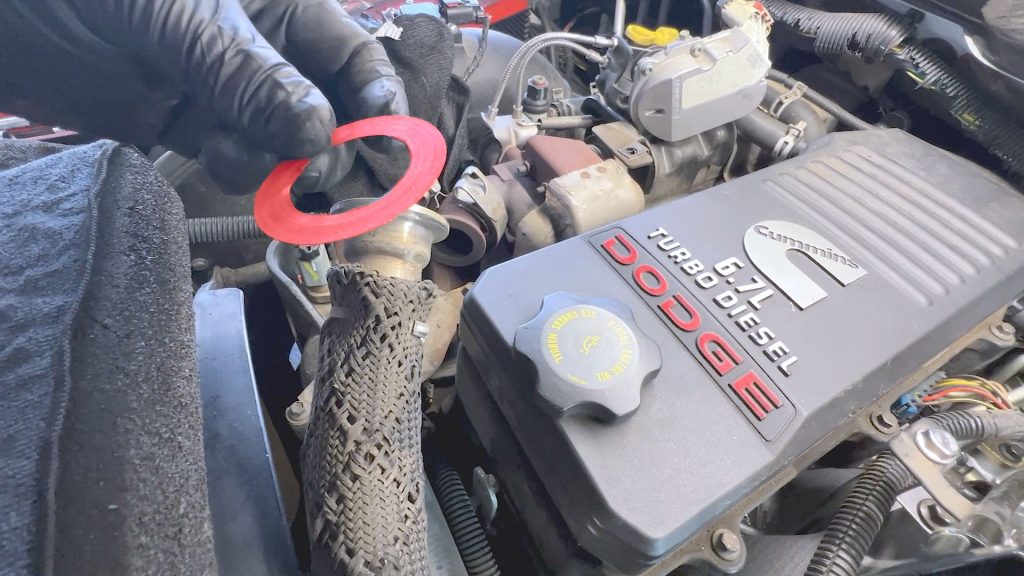
3. Place the flat washer on the passenger side of the crossover tube.

4. Press the passenger side of the EGR crossover tube onto the EGR cooler outlet.

5. Then press the driver side of the EGR tube onto the EGR valve.

6. Slide the passenger side v-band clamp over the union and start tightening it by hand.
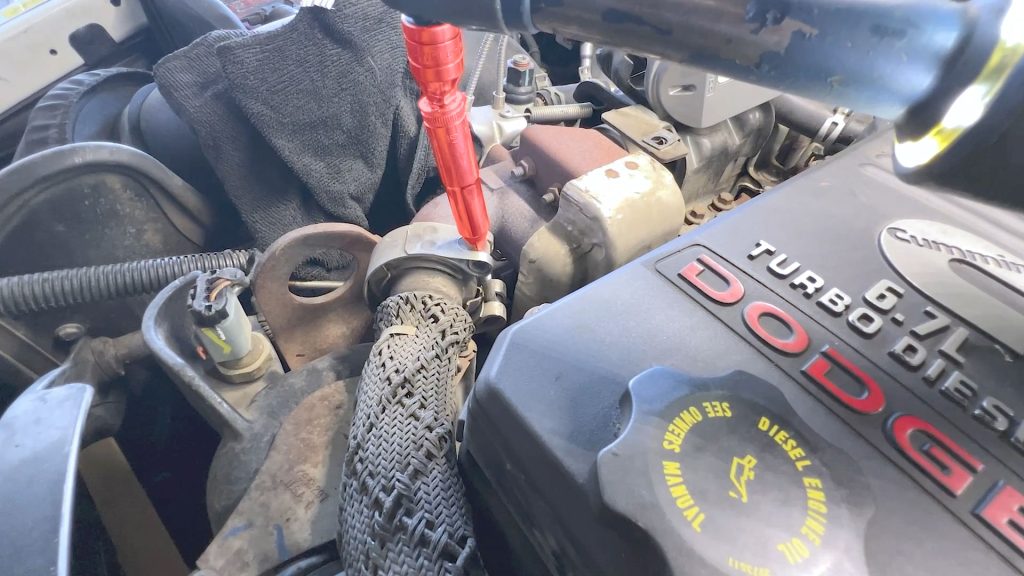
7. Then snug it down with an 11mm deep socket.

8. Do the same for the plug on the drivers side. Slide the v-band clamp over the union and start tightening it by hand
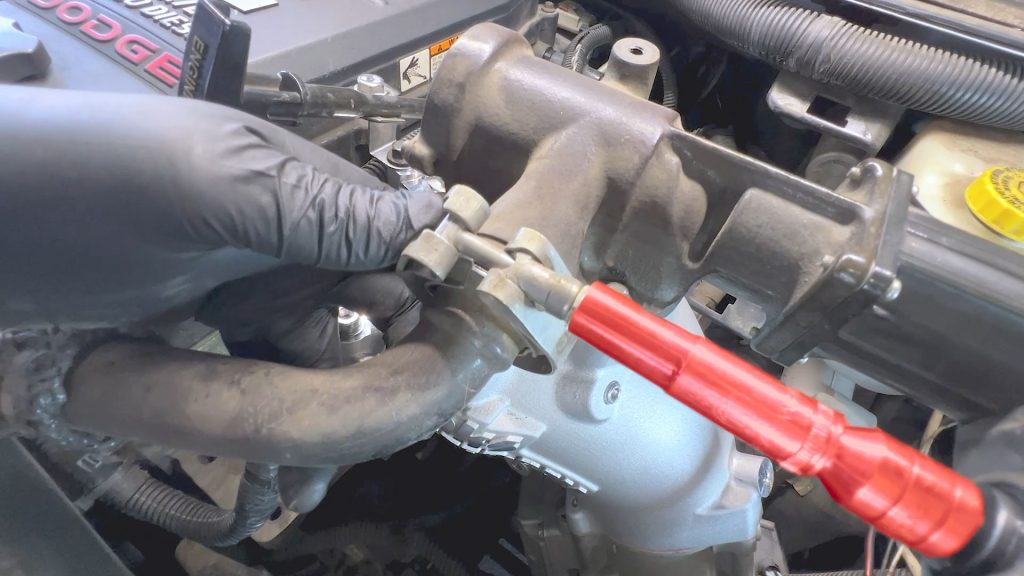
9. Snug it down with an 11mm deep socket.
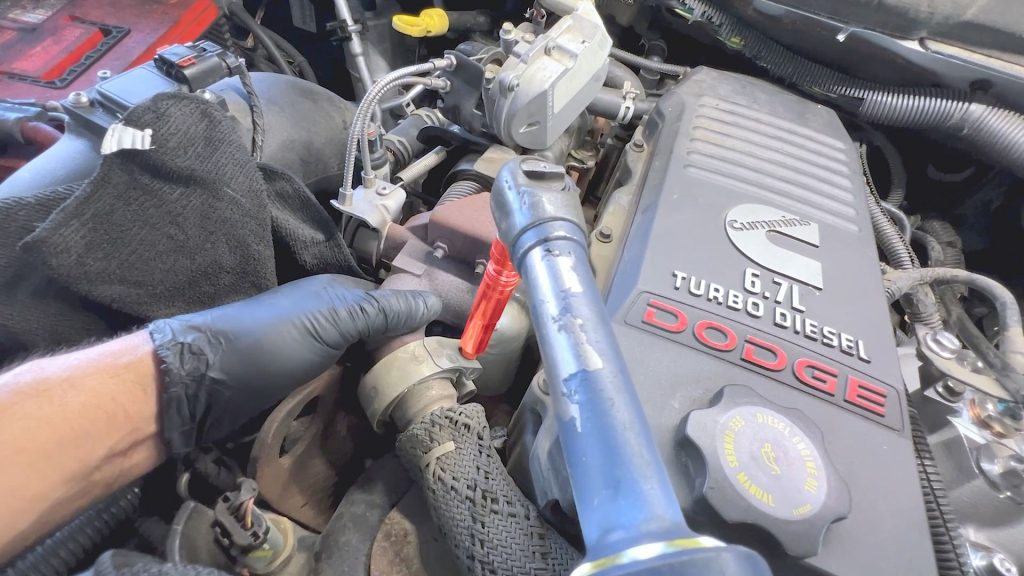
10. Check that both sides are snug and tight.
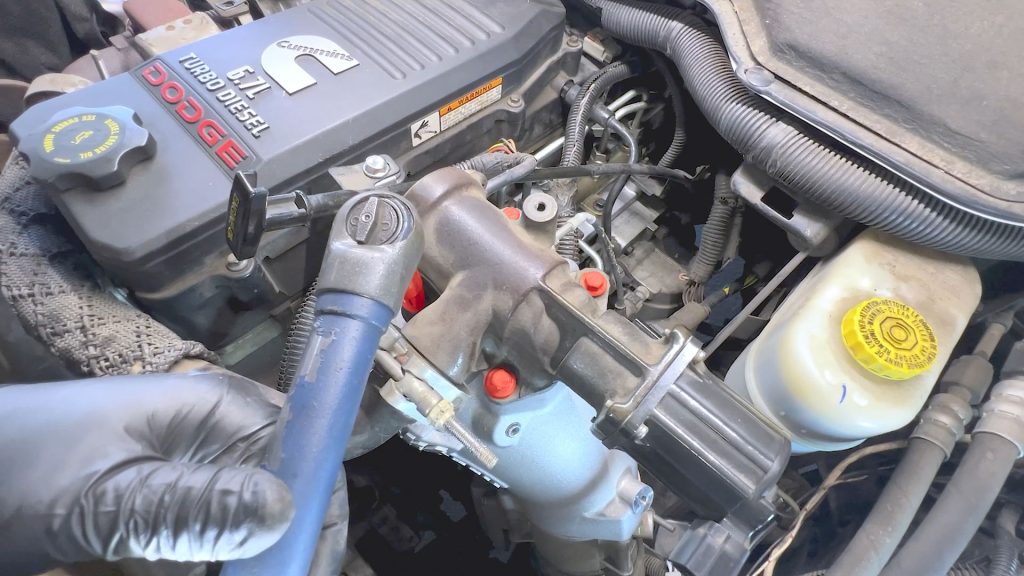
11. Snug down the four bolts that hold the EGR valve seat the valve.

12. Torque the two rear bolts to 18-20 ft-lbs.
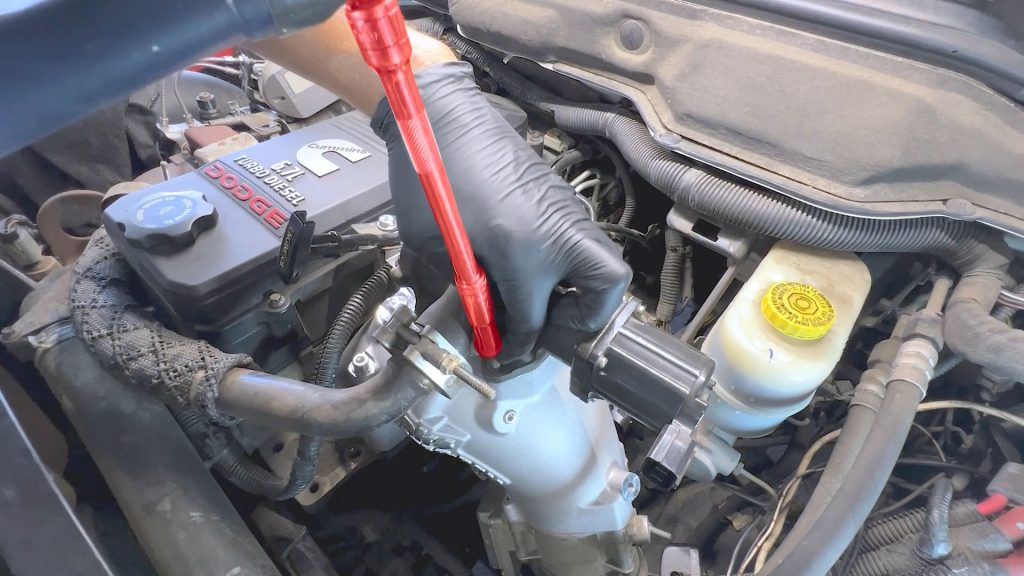
13. Remove the front two bolts for the EGR valve.

14. Thread the two bolts through the Banks EGR heat shield.

15. Line the heat shield and bolts back over the EGR valve. With an extension, re-torque the front two bolts to 18-20 ft-lbs.

16. Grab the Torx head screw and spacer for the heat shield.

17. Apply some loctite to the threads so it wont vibrate loose.

18. Thread the Torx screw in first by hand.
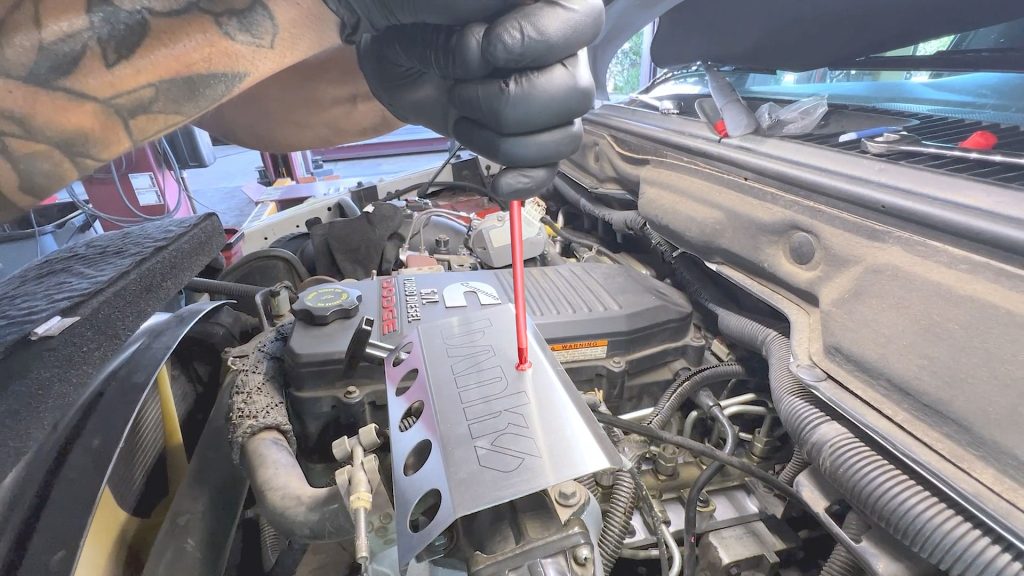
19. Snug it down with a Torx bit screwdriver.
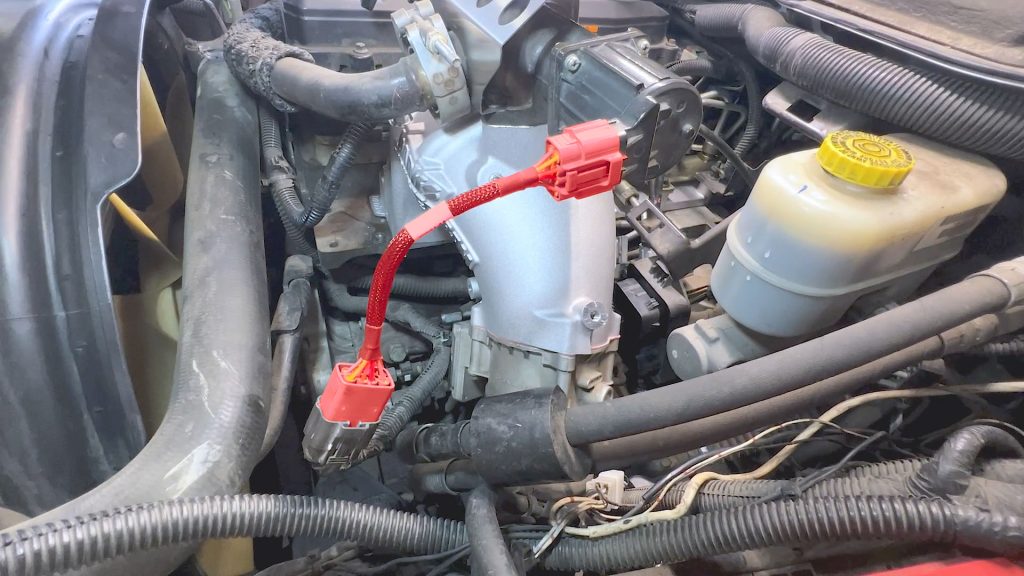
20. With the supplied EGR valve extension, connect the EGR valve to the factory harness.

16. Final Engine Bay Cleanup.
1. Snap the large data plug back into its bracket.

2. Reconnect the matching half on top of the data plug.

3. Secure the two halves together with the factory nut.

4. Zip-tie the EGR extension harness and any other loose wires out of the way.

5. Secure the 12V coil heater wire to the dip-stick tube, and cut odd the excess.
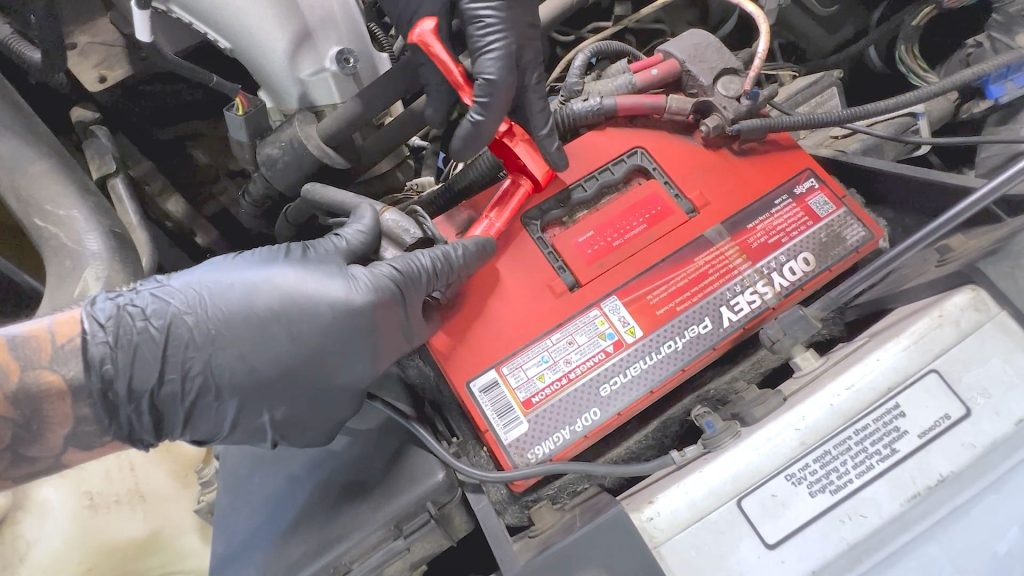
6. Reconnect the battery(s).

15. Check for leaks.
Starting the engine may require turning it over for a minute or two. This is normal as the fuel system has to represurise.
Check that all harnesses and components are free of moving parts. Check for any leaks while the engine is running.
Head out for a short test drive, then double-check for leaks one last time.

CARB EO Label
For smog check purposes, affix the CARB E.O. Label on a visible location under the hood. Banks recommends using the radiator shroud location.