



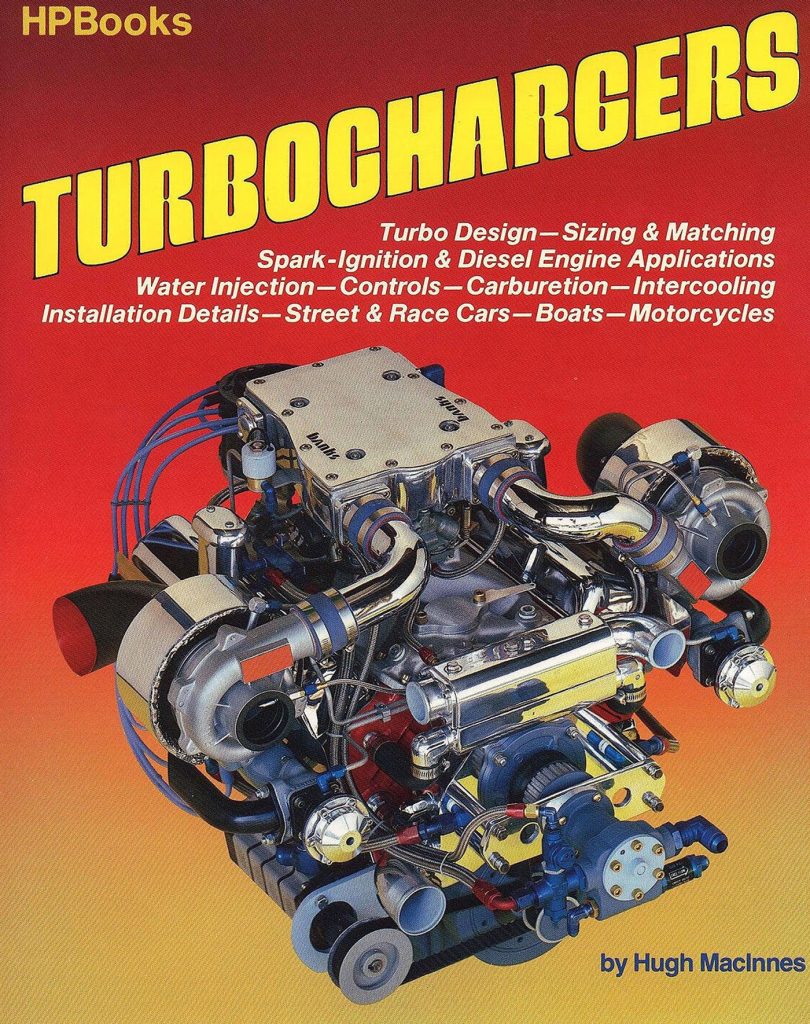
In 1978, Gale co-authored what became the go-to handbook for turbocharging enthusiasts. First, let’s go back to 1971. Known turbo-expert, teacher, and author, Hugh Machlnnes authored the book How to Select and Install Turbochargers. The comprehensive book was full of information and examples of the practical application of turbocharging. As Hugh put it, “If the average backyard hot rodder can use this manual and end up with a turbocharged machine which will consistently beat his buddy’s car or boat with a naturally aspirated engine, then I feel it’s been a success.”
After more than a decade of building high-performance supercharged engines, Gale switches to turbocharging in 1970 for the first “Gale Banks” branded turbocharged marine engine. The change came about when testing revealed that turbocharging actually provided a more usable range and was superior in making more power with better fuel efficiency by using wasted exhaust gas over that of a mechanically driven blower.
The change to turbos from superchargers also proved to be less punishing to the engine mechanically, causing less wear, meaning an extended engine life and far fewer rebuilds between races. Race teams found that the engines would run under extreme conditions for an entire season before needing service. Naturally, through their mutual love of all things turbocharged and the relentless pursuit of power, Gale and Hugh became fast friends.
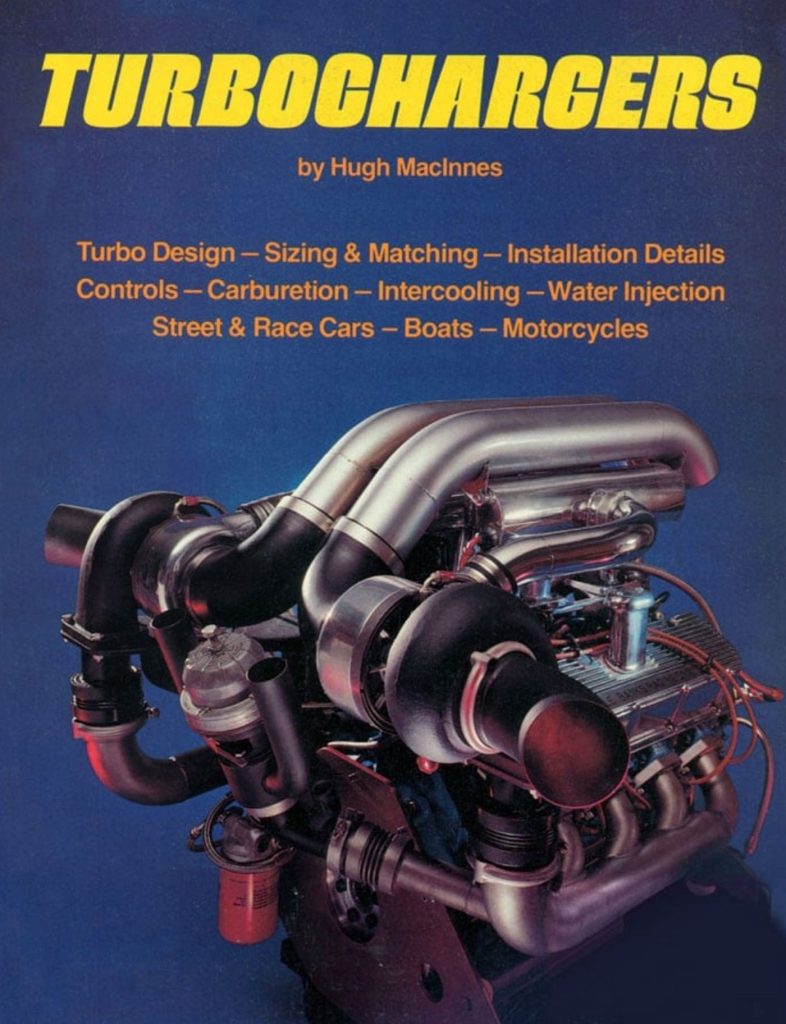
In 1978 Hugh enlisted Gale’s help for an update of his book. Simply titled “Turbochargers” it was a best seller and would become the handbook for forced induction enthusiasts everywhere. Banks’ twin-turbo engines are featured on the cover of the various iterations of the book to this day.