



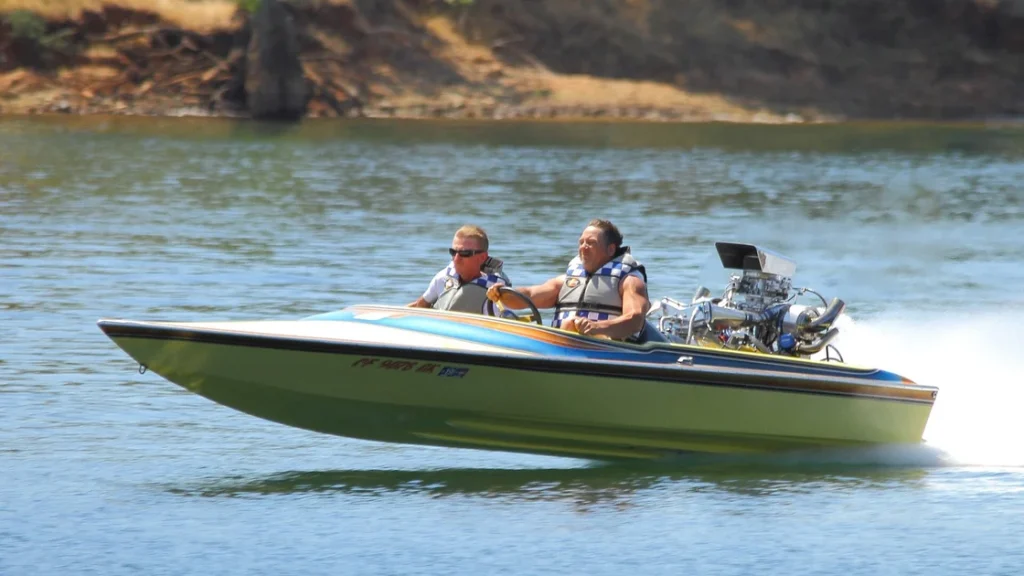
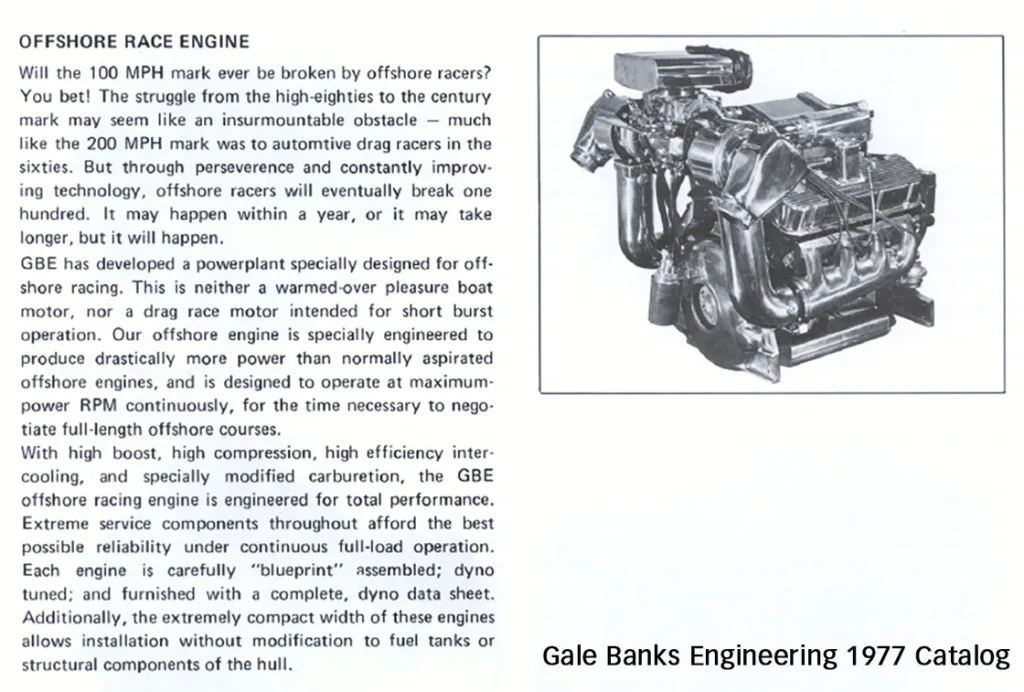
Paul Cordell owns a piece of Banks Marine history, and he was kind enough to share photos of it. After more than a decade of building high-performance supercharged engines, Gale switched to turbocharging in 1970 for the first “Gale Banks” branded turbocharged marine engine. The change came about when testing revealed that turbocharging provided a more usable horsepower curve and boasted dramatically improved fuel efficiency by harnessing wasted exhaust energy rather than sapping crankshaft horsepower with a mechanically driven supercharger.
Transitioning from superchargers to turbochargers also proved far less punishing to the engine, reducing mechanical stress and extending operational life with fewer overhauls between races. Endurance race teams discovered that Banks turbocharged engines would run under brutal wide-open-throttle conditions for an entire season before needing service. Meanwhile, teams running superchargers were rebuilding engines after every race. But Banks’ biggest winning edge came from fuel economy—not having to pit nearly as often as supercharged competitors.
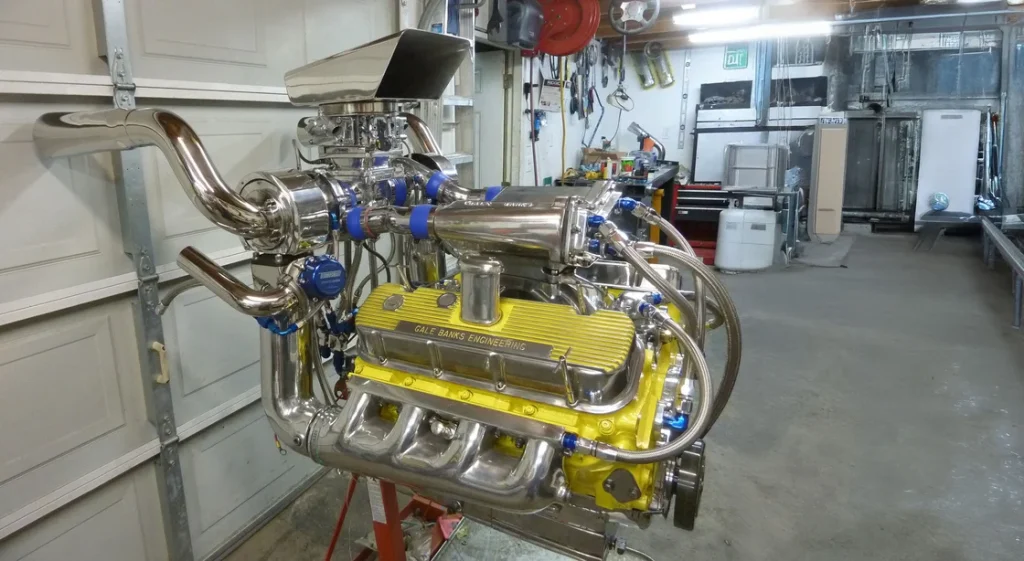
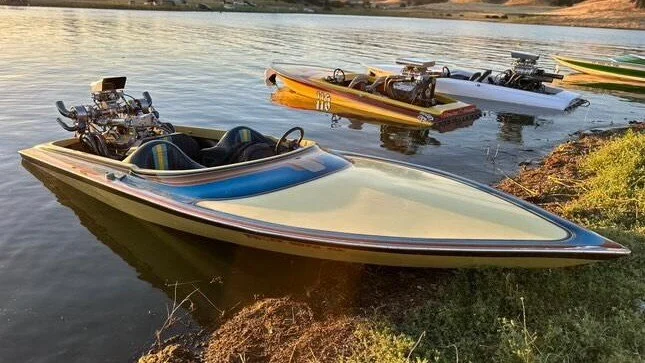
Paul found his prized boat in 2001 with a complete Banks Marine Racing 454 cubic inch engine. Years of neglect made this diamond-in-the-rough a major restoration challenge, requiring an exceptional amount of TLC. “It was peeling, the chrome was coming off, and the aluminum was totally corroded,” Paul confesses. “Everything you see on that engine was 32-grit grinder-wheeled off and hand-polished way back when I was young and had more energy. Well, that’s how its rebirth started, anyway.”
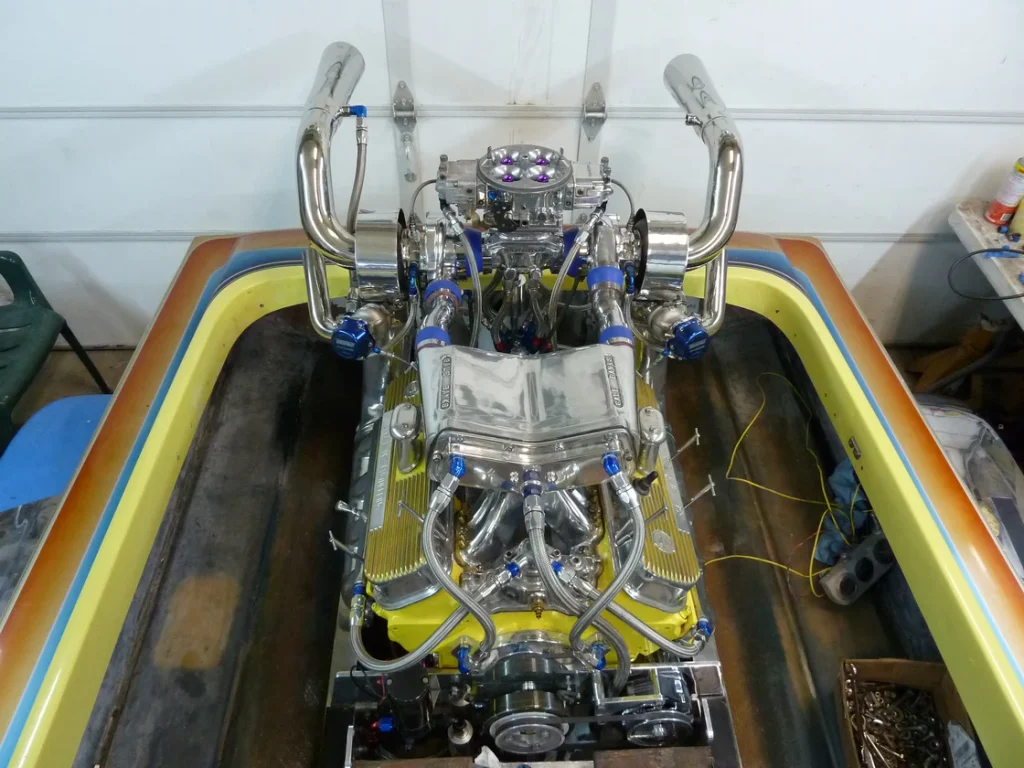
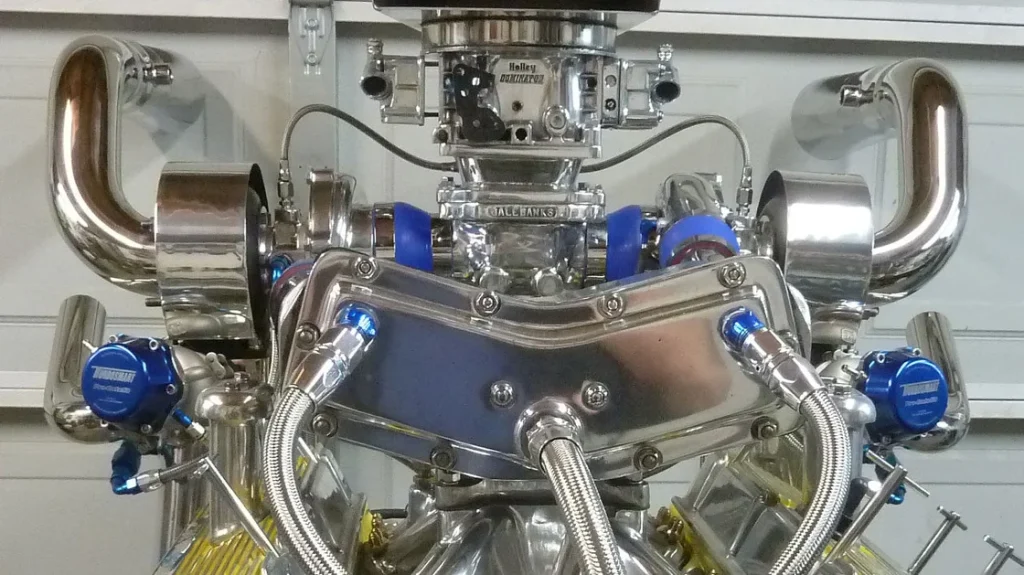
The boat hull is a 19-foot 1978 Sanger. Sanger boats of the era were renowned for their high-performance drag boats, flatbottoms, and jet boats. “Over the years, I pushed the original build, going faster and faster,” Paul explains. “The basic Banks turbo system is there now, but I’ve done some upgrades and modifications. The engine has gone from 454 cubic inches to 540 cubic inches with coated pistons, a custom-calibrated carburetor, and modern turbochargers. The original Rayjay turbos and wastegates were great for their era, but compressor aerodynamics have evolved, and I needed more air mass to match all that extra fuel. I installed custom turbos with 78 mm compressor wheels and 3″ discharge outlets. I’m still running the original Banks liquid-to-air intercooler, updated with matching 3″ inlets.”
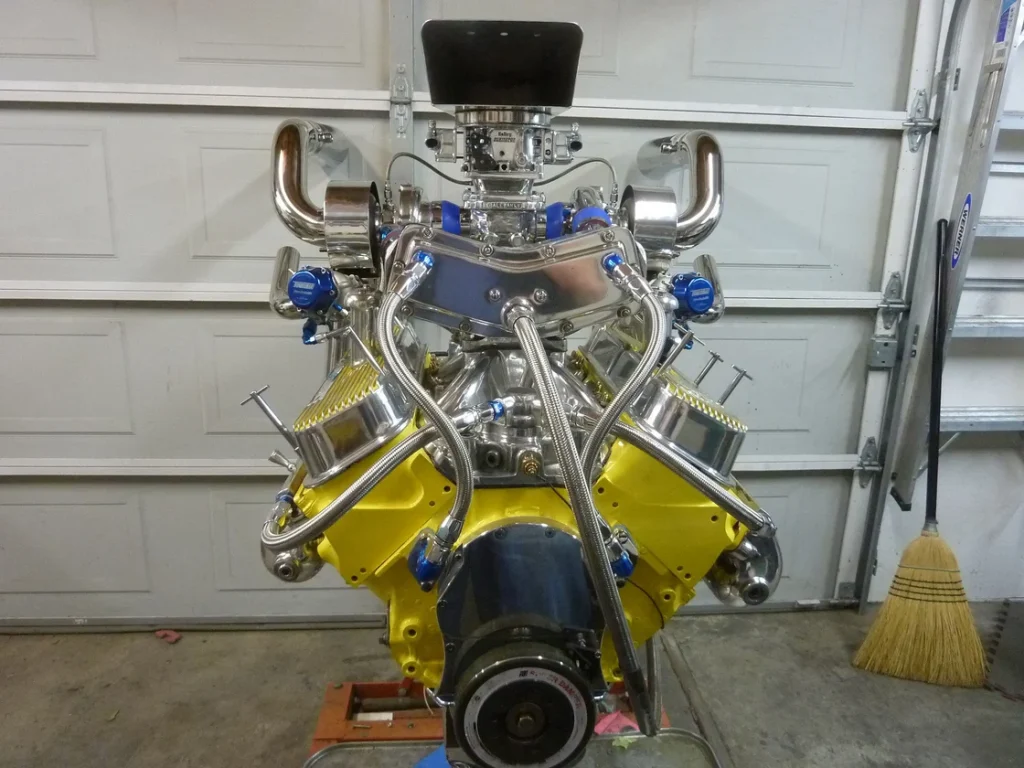
“I have a few more tweaks planned, but as it stands, I’ve hit 110 mph on open water a few times,” Paul concludes. “Man, I sure wish Gale would bring out a brand-new updated marine kit. Just think what I could do with that!”
If you or someone you know has an authentic piece of Banks racing or marine history, we’d love to hear about it. Reach out to the team at socialmedia@bankspower.com.